
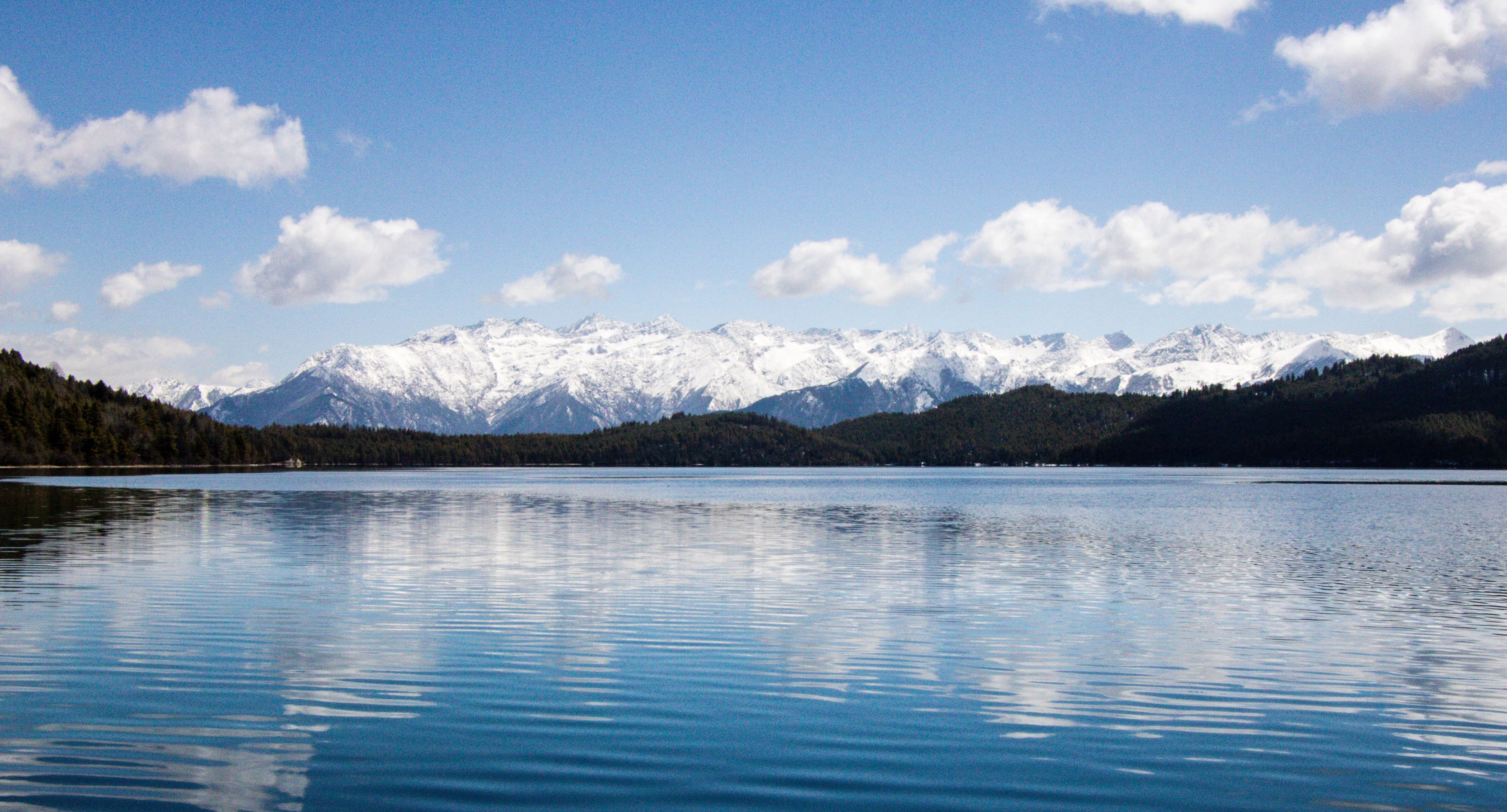
Rara Lake is the largest freshwater lake in the Nepalese Himalayas and the centerpiece of Rara National Park, spanning the Jumla and Mugu districts of Karnali Province across 106 km². Sitting at roughly 2,990 m above sea level, the lake is set against pine and juniper forest and framed by the Chuchemara and Ruma Kand peaks — a landscape shaped as much by its extreme remoteness as by its natural beauty.
Why it's different
Karnali is Nepal's largest and least-developed province, and Rara receives only a small fraction of the visitors that reach Everest Base Camp or the Annapurna region in a given year. That remoteness is the destination's defining feature: travelers who make the journey are rewarded with deep-blue high-altitude water, near-total quiet, and a genuine sense of isolation that has become rare on Nepal's better-known trekking routes. The lake and surrounding park are also ecologically significant, supporting species such as the Himalayan black bear and red panda in the surrounding forest, along with a range of high-altitude bird life during migration seasons.
What to do
Most visitors trek a loop or partial circuit around the lake shore over one to two days, camping or staying in the small settlements nearby, with Murma Top offering an elevated panoramic view over the lake and the wider Karnali landscape. Because so few trekkers make it out here, trails are quieter and less developed than the teahouse-lined routes of the Khumbu or Annapurna regions — travelers should expect a more self-sufficient style of trekking, with fewer amenities along the way.
Best time to visit
April to June and September to October are the most reliable windows, avoiding both the winter snow that can close access and the heaviest of the monsoon rains. Winter brings heavy snowfall and can cut off flight access to the region entirely for periods at a time.
Getting there
Access is either by a short domestic flight to Talcha Airport followed by a walk of a few hours to the lake, or by a much longer overland journey from Nepalgunj or Surkhet over rough mountain roads that can take multiple days depending on conditions. Flights to Talcha are limited in frequency and highly weather-dependent, so travelers should build flexible extra days into any Rara itinerary rather than planning tight connections.
Practical tips
Because of its remoteness, Rara requires more advance planning than Nepal's mainstream trekking regions — confirm flight schedules and lodge or camping arrangements before setting out, and carry a wider safety margin for delays than you would for a Pokhara- or Lukla-based trek. This is a destination for travelers who specifically want off-the-beaten-path Nepal, not a first-time add-on to an Everest or Annapurna itinerary.