 Trekking & Mountaineering
17 September 2026
Nepal is Open. The Himalayas are waiting.
The mountains have not moved. Nepal has not given up. And our story is far from over.
Trekking & MountaineeringThe mountains have not moved. Nepal has not given up. And our story is far from over.
Trekking and mountaineering dominate Nepal's international tourism image, but the industry has been working to build up wellness travel, homestays, adventure sports and cultural tourism as well.
 Industry News
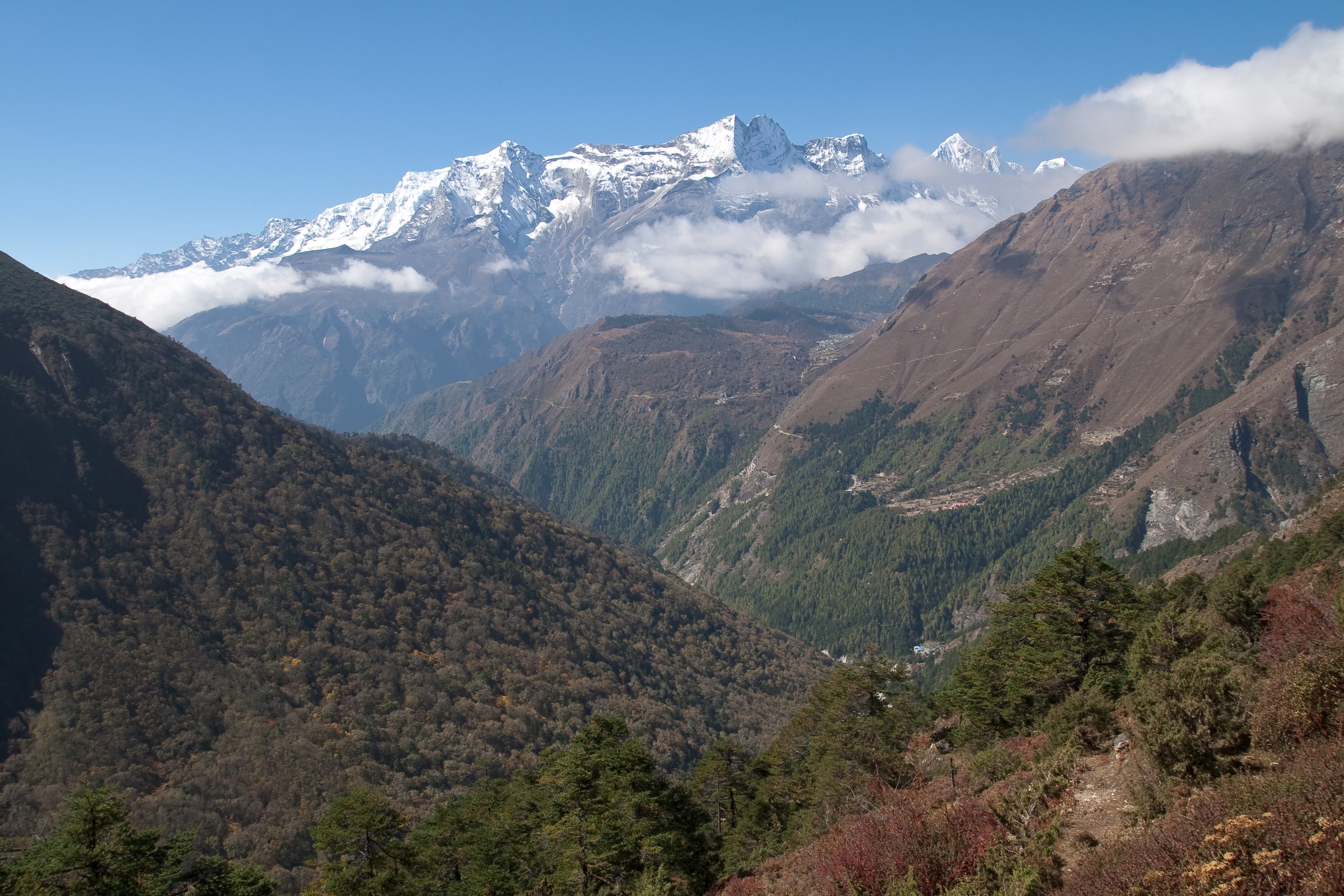
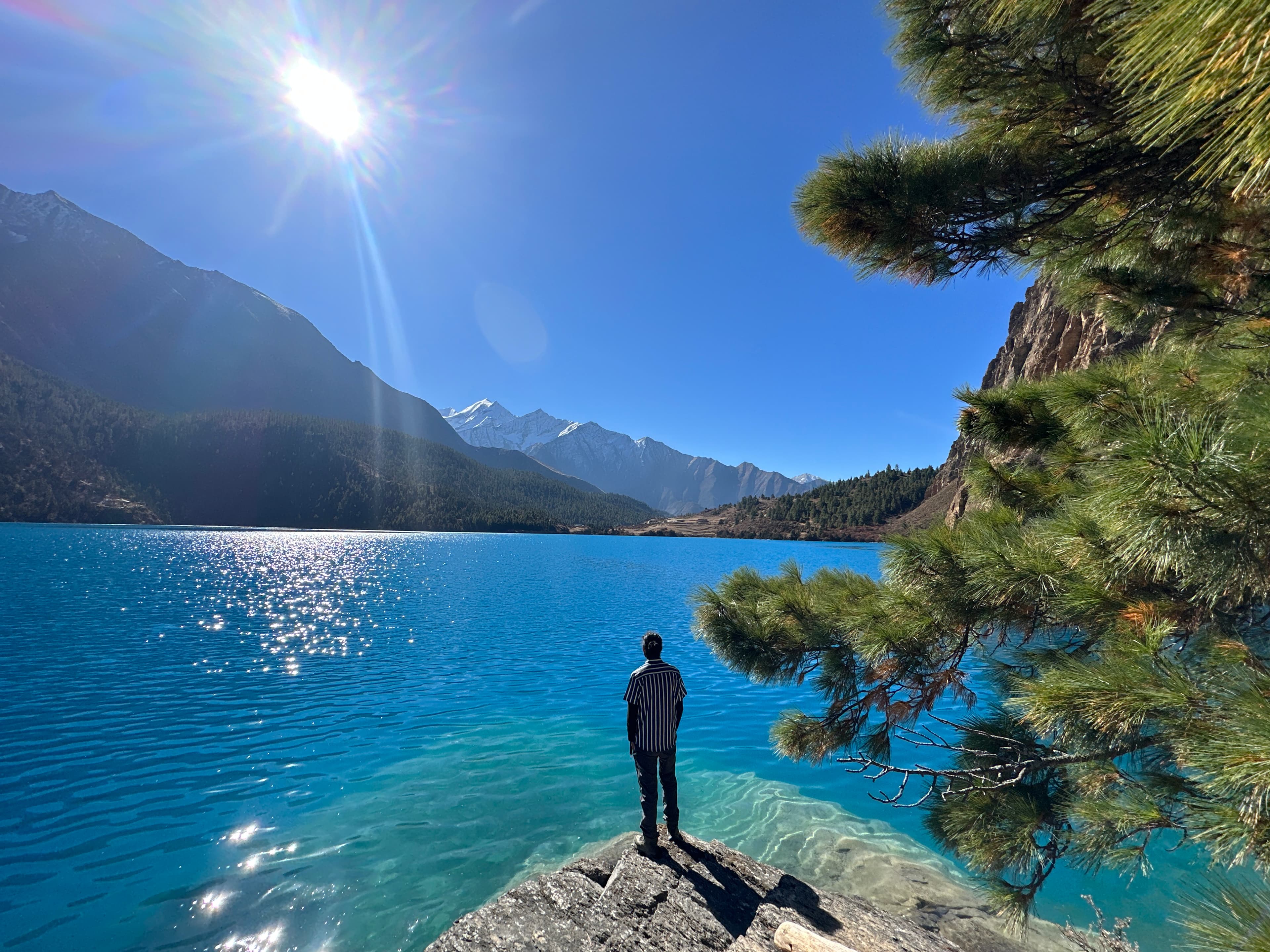
Most Himalayan trekking in Nepal doesn't require carrying a tent — a network of family-run mountain lodges makes it possible to trek with little more than a daypack. Here's how that system works.
Nepal's tourism industry involves a government ministry, a semi-autonomous tourism board, professional associations, and thousands of private operators. Here's how the pieces fit together.
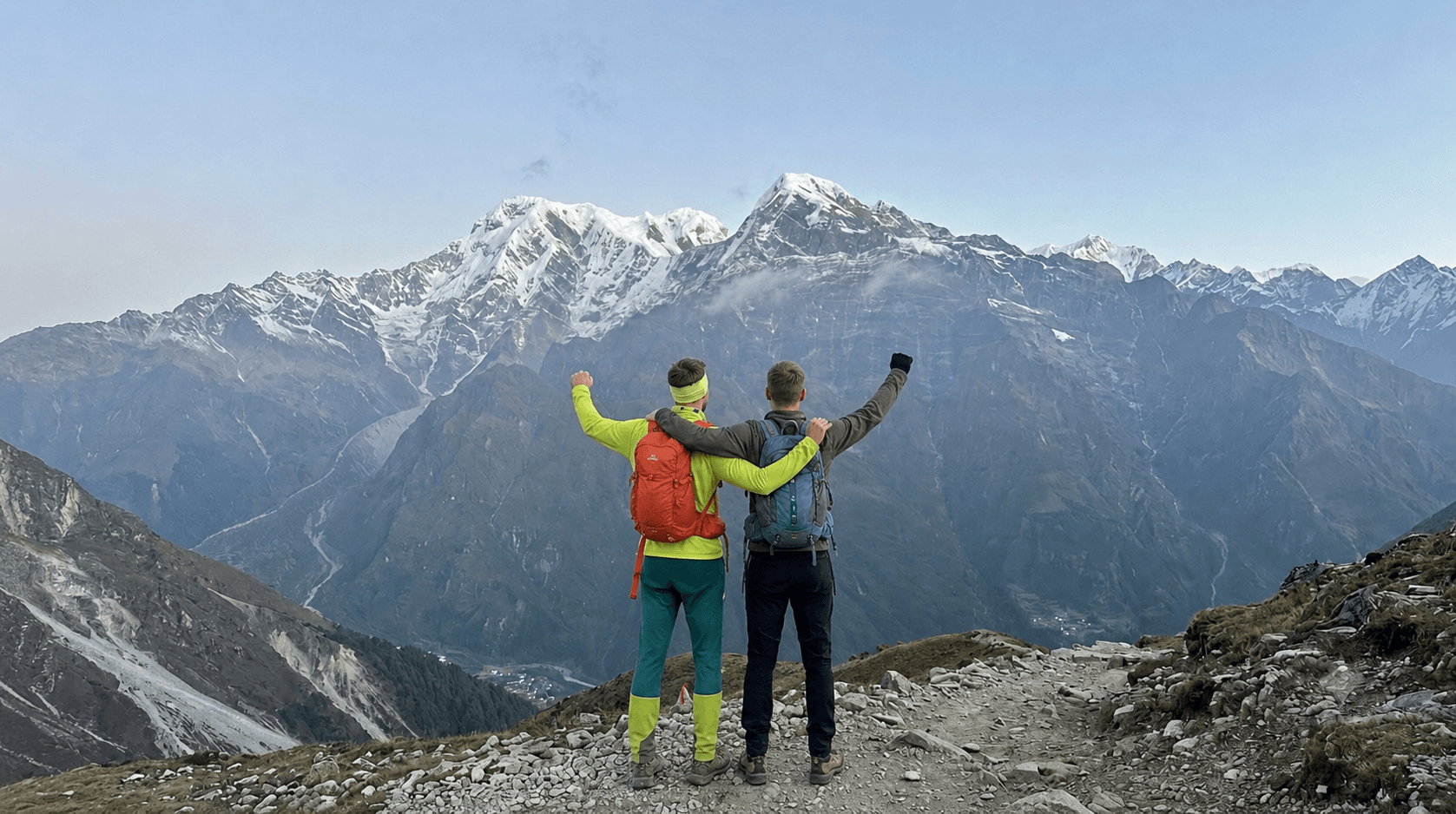
Climbing an 8,000-meter giant and climbing a smaller trekking peak in Nepal involve two very different permit systems, issued by two different authorities. Here's how they differ.
Most travelers can get a Nepal tourist visa on arrival at Kathmandu's airport or a land border. Here's how the process works, what documents you need, and what to double-check before you fly.
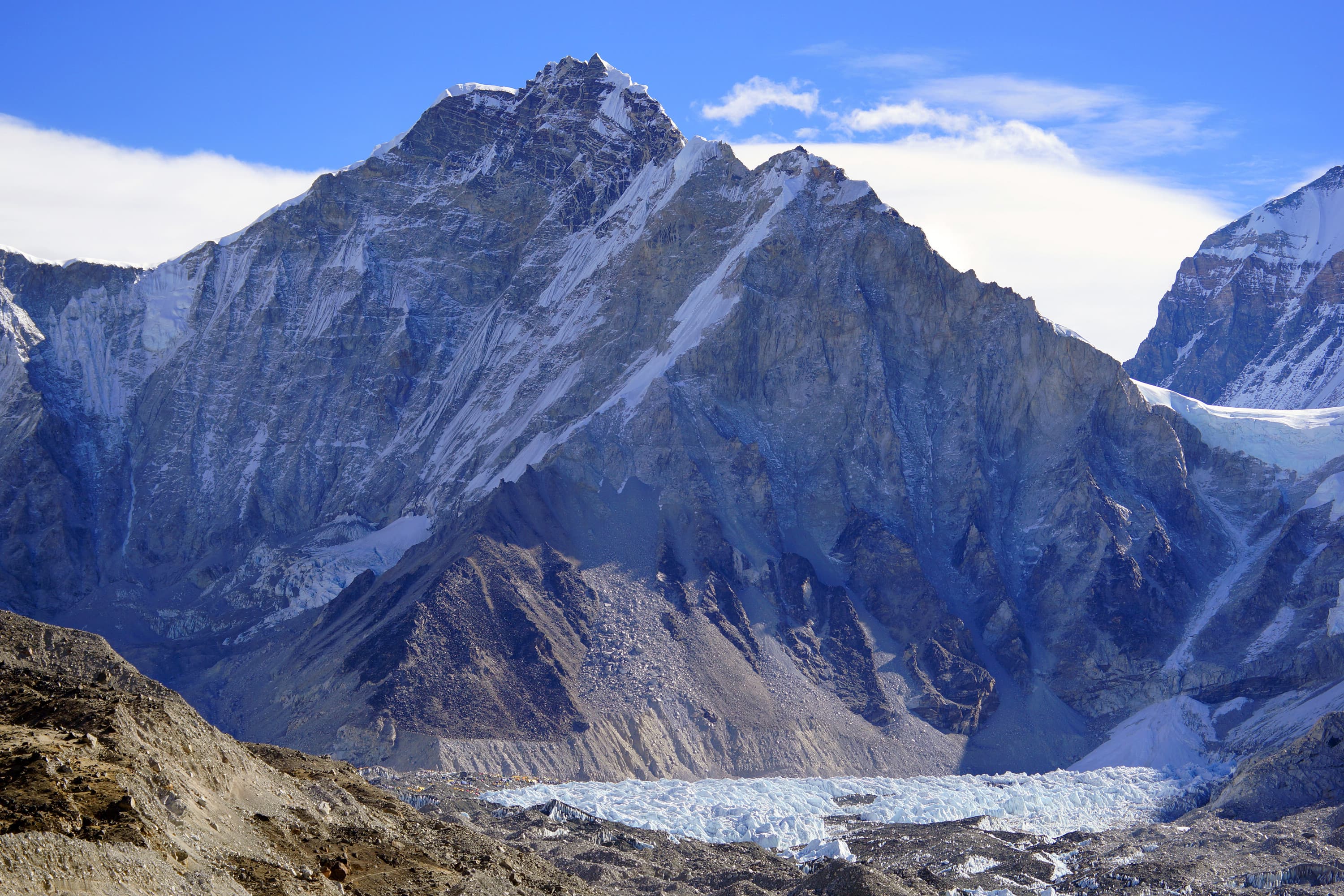
Everything you need to know before you go — route, permits, altitude, best seasons, and what the 12-day trek to the foot of the world's highest mountain actually feels like.
Nearly every trekking route in Nepal requires at least one permit. Here's what TIMS, ACAP, and national park entry fees actually cover, and where to arrange each one.

Join our readers and get the best of Nepal travel — features, guides, and current affairs — delivered to your inbox.