
Most travelers can get a Nepal tourist visa on arrival at Kathmandu's airport or a land border. Here's how the process works, what documents you need, and what to double-check before you fly.
Most foreign nationals visiting Nepal for tourism can obtain a visa on arrival, either at Tribhuvan International Airport in Kathmandu or at several official land border crossings with India and China. A smaller number of nationalities are required to arrange a visa in advance through a Nepali embassy or consulate, and citizens of a few countries are not eligible for visa on arrival at all — so the first step for any traveler is confirming which category applies before booking a flight.
Visa on arrival: what to expect
At the airport, the process typically involves filling out an arrival form (increasingly done online in advance through Nepal's official immigration portal to save time at the counter), paying the visa fee, and having a passport photo ready. Fees are set in tiers by length of stay — commonly 15, 30 and 90-day options — and are subject to change, so it's worth checking Nepal's Department of Immigration website or your nearest Nepali embassy for current pricing rather than relying on older travel guides. Payment is generally accepted in major foreign currencies or US dollars in cash; card payment availability at the airport counter has historically been inconsistent, so carrying cash as a backup is sensible.
Passport and photo requirements
Your passport should have at least six months' validity remaining from your date of entry, along with at least one blank page for the visa stamp. A passport-sized photo is required for the arrival form, though the airport does have a photo booth for travelers who arrive without one — bringing your own saves time in a potentially long queue. Completing the online arrival form in advance, where offered, is one of the most effective ways to speed up the on-arrival process, since it lets you skip straight to the payment and passport-stamping counters.
Land border crossings
Tourist visas on arrival are also available at several official land border points, including crossings with India (such as Kakarbhitta, Birgunj and Bhairahawa/Belahiya) and with Tibet, China at Kerung/Rasuwagadhi. Land border procedures can be less predictable than the airport in terms of operating hours, cash-only payment, and periodic closures, so it's worth confirming current status before planning an overland entry, particularly at the China border, which is more tightly controlled and subject to more frequent restrictions.
Visa extensions
Tourist visas can generally be extended from within Nepal at the Department of Immigration office in Kathmandu (or its regional offices, including one in Pokhara), for travelers who want to stay longer than their initial visa allows, up to a maximum cumulative stay per calendar year set by immigration rules. Extensions require an application, the relevant fee, and processing time, so it's best not to leave this until the last day of a current visa.
Before you fly
Because visa fees, eligible nationalities and exact procedures are periodically updated by Nepal's government, always verify the current requirements against the official Department of Immigration website or your nearest Nepali diplomatic mission close to your travel date, rather than relying solely on secondhand information — including this article. Building in a little extra time at the airport immigration counter, especially during peak trekking season (September–November and March–May) when arrival halls are busiest, is a sensible precaution.
Related destinations
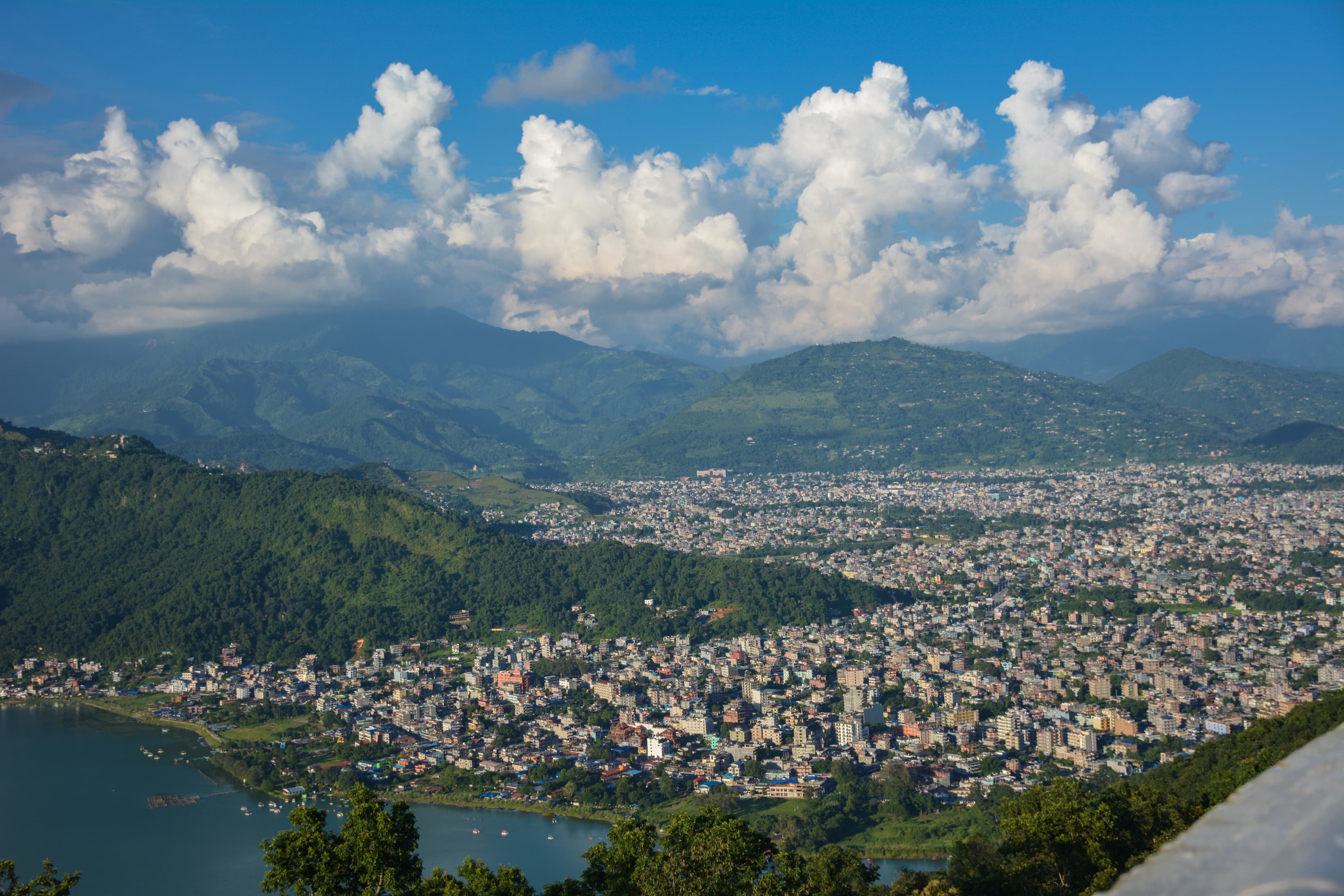
More stories
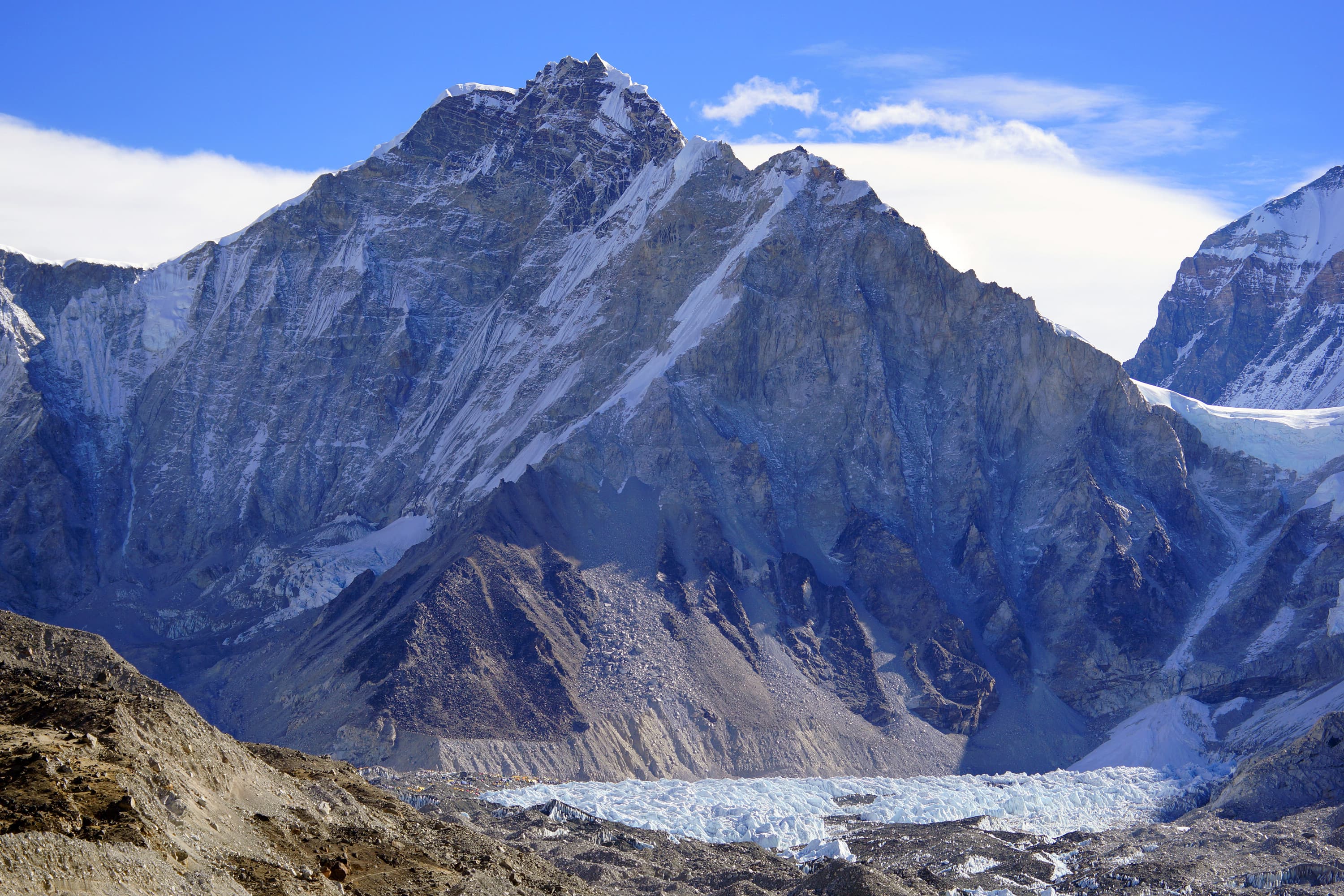
Everest Base Camp Trek: The Complete Planning Guide
Everything you need to know before you go — route, permits, altitude, best seasons, and what the 12-day trek to the foot of the world's highest mountain actually feels like.
Trekking Permits in Nepal Explained: TIMS, ACAP & National Park Fees
Nearly every trekking route in Nepal requires at least one permit. Here's what TIMS, ACAP, and national park entry fees actually cover, and where to arrange each one.
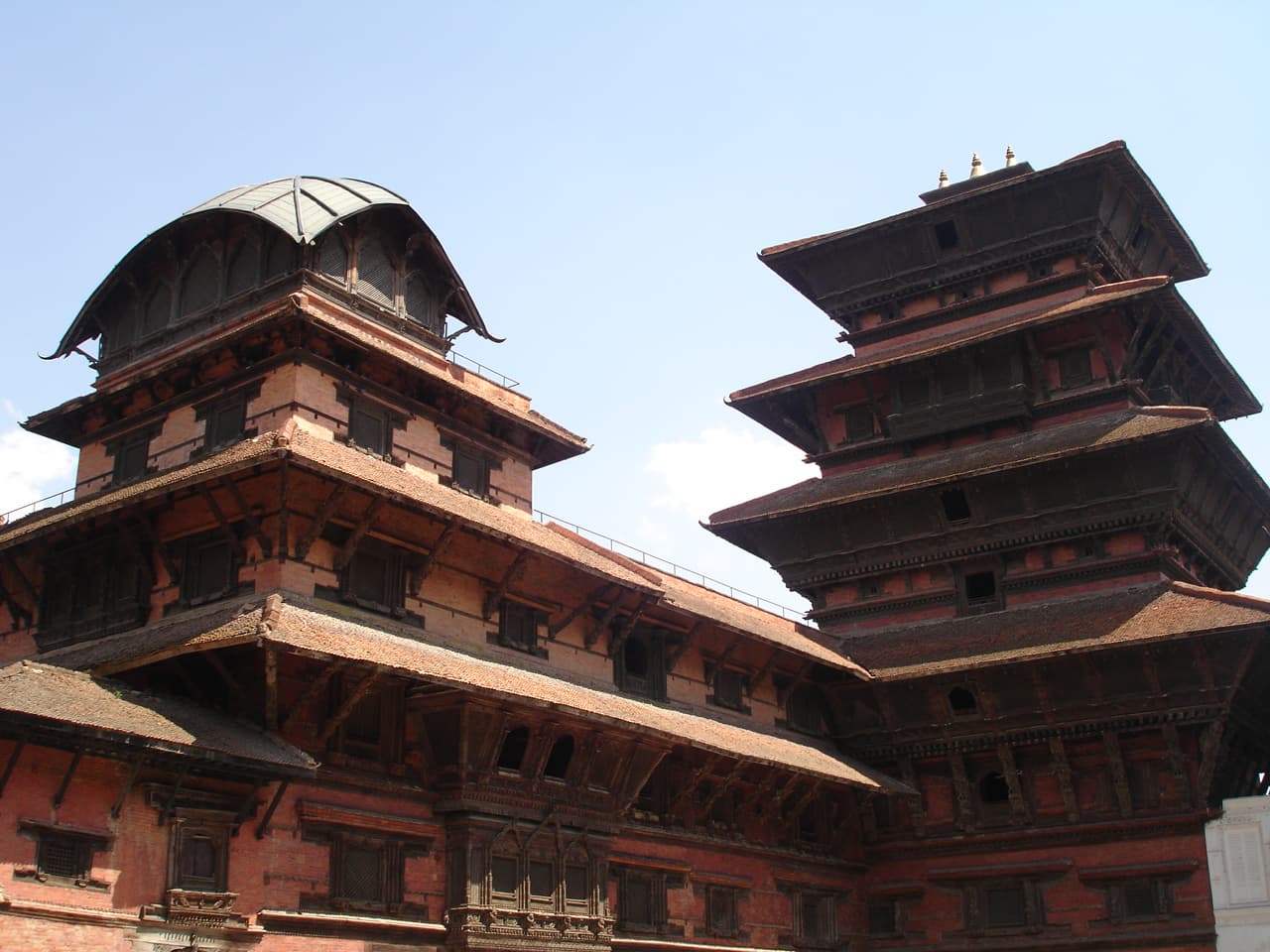
Kathmandu Valley's UNESCO World Heritage Sites: A Traveler's Guide
From the stupas of Swayambhunath and Boudhanath to the royal palace squares of Kathmandu, Patan and Bhaktapur, here is how to explore the seven UNESCO-listed monument zones of the Kathmandu Valley.