Everything you need to know before you go — route, permits, altitude, best seasons, and what the 12-day trek to the foot of the world's highest mountain actually feels like.
The trek to Everest Base Camp (EBC) is the single most iconic walk in the Himalaya — not a technical climb, but a demanding, high-altitude journey that takes most trekkers 12 to 14 days round trip from Lukla. Every year it draws tens of thousands of hikers from around the world, and with the right preparation it is achievable for anyone with a reasonable level of fitness and respect for altitude.
Getting to the trailhead
Almost every EBC itinerary begins with a short, dramatic flight from Kathmandu to Lukla's Tenzing-Hillary Airport, one of the world's most famous mountain airstrips. From Lukla, the trail follows the Dudh Koshi river valley through Phakding and into Sagarmatha National Park, reaching the Sherpa hub of Namche Bazaar — the usual first acclimatization stop — by day three.
Route and acclimatization
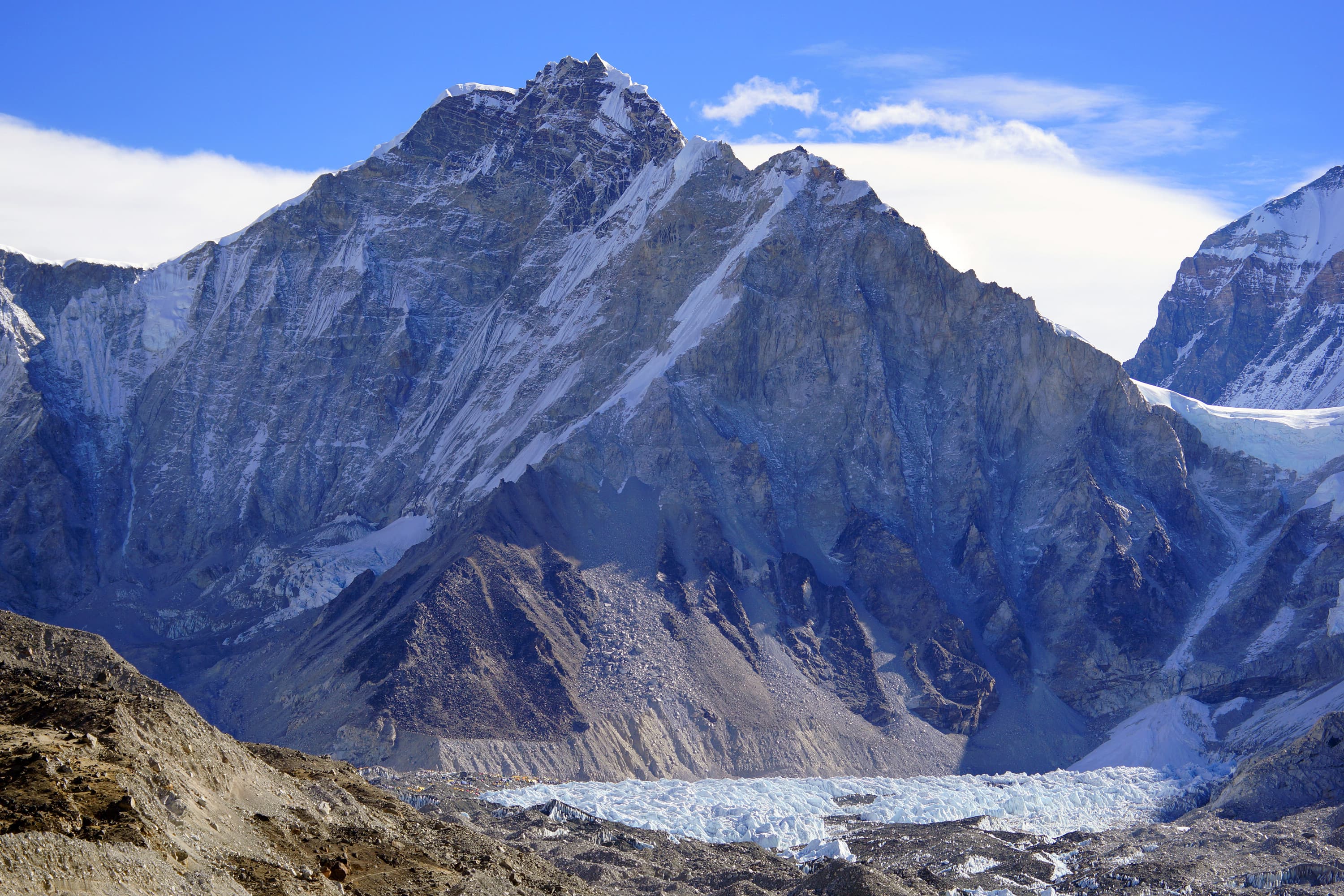
Beyond Namche, the trail climbs through Tengboche, home to one of the region's most significant Buddhist monasteries, before continuing to Dingboche or Pheriche, Lobuche, and finally Gorak Shep, the last settlement before base camp itself. Most trekkers also climb Kala Patthar, a viewpoint above Gorak Shep, for the clearest panoramic view of Everest's summit — the mountain itself is not visible from base camp.
Altitude, not distance, is what makes this trek hard. Itineraries build in rest days at Namche and Dingboche to let the body adjust, and the standard mountaineering guidance of "climb high, sleep low" applies throughout. Rushing the schedule is the most common reason trekkers turn back early.
Best time to go
The two main trekking seasons are pre-monsoon (March to May), when rhododendrons bloom across the lower valleys, and post-monsoon (late September to November), which typically offers the clearest, most stable mountain views. Winter trekking is possible but cold and quieter; the June–August monsoon months bring cloud, leeches at lower elevations, and a higher chance of flight delays into Lukla.
Permits and logistics
Trekkers need a Sagarmatha National Park entry permit and a local Khumbu Pasang Lhamu Rural Municipality entry permit, both available in Lukla or Monjo. Independent trekking is allowed on this route, though many visitors hire a guide or porter — a meaningful source of income for Khumbu families and a practical way to navigate logistics, teahouse bookings, and altitude decisions.
What to pack
Layering is essential: temperatures swing from warm midday sun to well below freezing at night, especially above Dingboche. A good sleeping bag rated to at least -15°C, sturdy broken-in boots, sun protection at altitude, and a basic first-aid kit with altitude sickness medication (used only on medical advice) are standard packing-list essentials for any teahouse trek in the Khumbu.
Is it right for you?
You do not need mountaineering experience to reach Everest Base Camp, but you do need stamina for consecutive days of six-to-seven-hour walking at altitude, and the patience to acclimatize properly. Trekkers who train beforehand, budget extra days for weather and rest, and listen to their bodies on altitude tend to have the best experience — and the more memorable one, standing beneath the Khumbu Icefall with the world's highest peak at their back.
Related destinations
More stories
Nepal Visa Guide: How Tourists Can Enter Nepal
Most travelers can get a Nepal tourist visa on arrival at Kathmandu's airport or a land border. Here's how the process works, what documents you need, and what to double-check before you fly.
Trekking Permits in Nepal Explained: TIMS, ACAP & National Park Fees
Nearly every trekking route in Nepal requires at least one permit. Here's what TIMS, ACAP, and national park entry fees actually cover, and where to arrange each one.
Kathmandu Valley's UNESCO World Heritage Sites: A Traveler's Guide
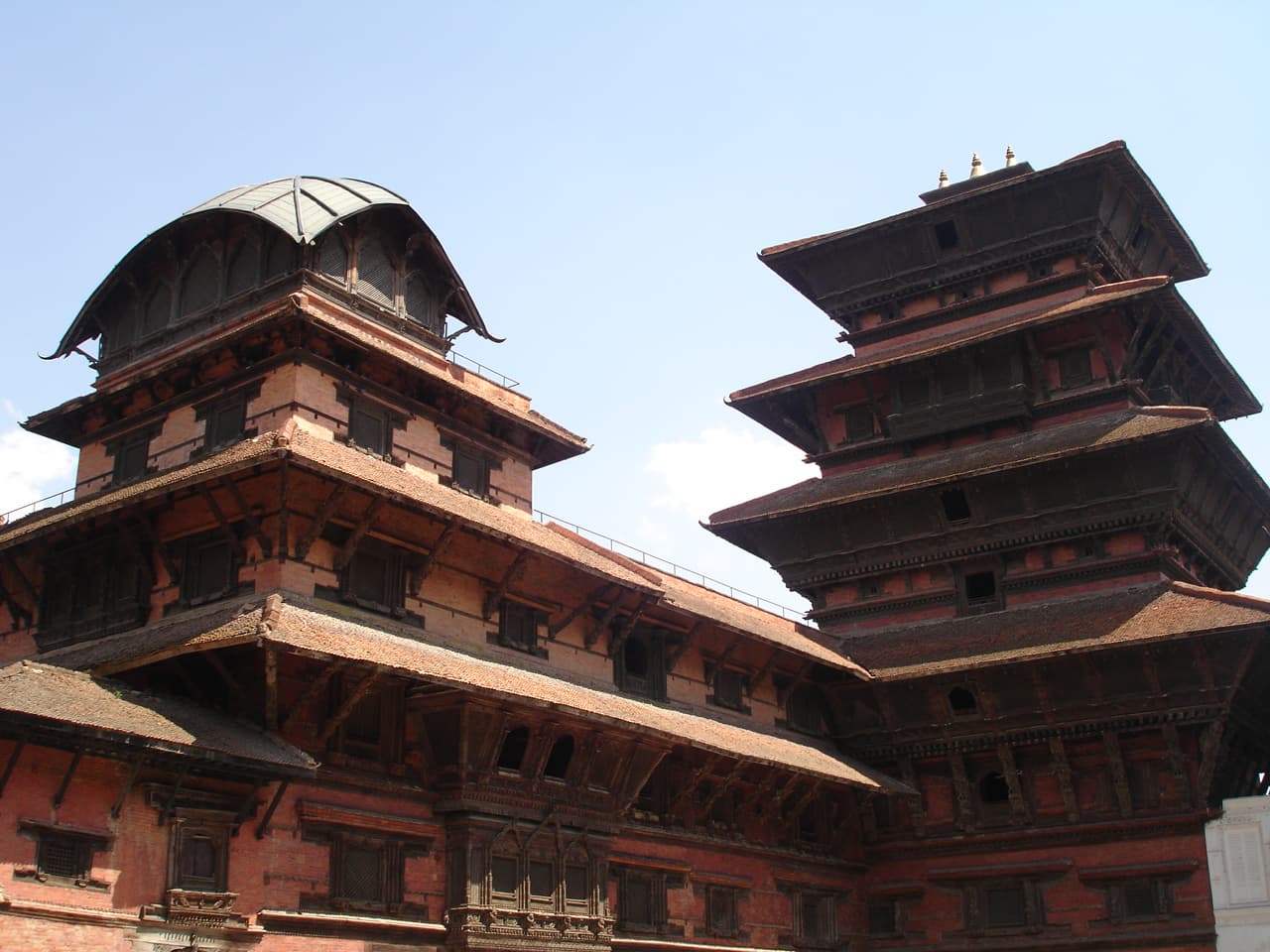
From the stupas of Swayambhunath and Boudhanath to the royal palace squares of Kathmandu, Patan and Bhaktapur, here is how to explore the seven UNESCO-listed monument zones of the Kathmandu Valley.