
Trekking Permits in Nepal Explained: TIMS, ACAP & National Park Fees
Nearly every trekking route in Nepal requires at least one permit. Here's what TIMS, ACAP, and national park entry fees actually cover, and where to arrange each one.
Trekking in Nepal almost always requires at least one permit, and often two — a national or conservation area entry permit specific to the region you're trekking in, plus, on most routes, a TIMS (Trekkers' Information Management System) card. These aren't just revenue collection: park and conservation area fees fund conservation and community development in the regions they cover, and TIMS exists primarily as a safety and tracking system, helping authorities know roughly who is on which trail.
TIMS card
The TIMS card records basic details about a trekker's planned route and is intended to assist search-and-rescue efforts if something goes wrong on the trail. It is issued through the Nepal Tourism Board or through a registered trekking agency, and requires a passport photo and a small fee, with different rates historically applied to independent trekkers versus those trekking with a registered guide or agency. Some of Nepal's most popular routes, including the Everest region, have periodically moved away from requiring TIMS in favor of a route-specific local permit instead — rules here have changed more than once in recent years, so it's worth checking current requirements for your specific route rather than assuming last year's rules still apply.
Everest region (Khumbu) permits
Trekkers heading toward Everest Base Camp need a Sagarmatha National Park entry permit, available at the park entrance near Monjo, plus a local Khumbu Pasang Lhamu Rural Municipality entry permit, available in Lukla. Both are straightforward to arrange on the way in and don't require advance booking.
Annapurna region permits
Routes through the Annapurna Conservation Area — including Annapurna Base Camp, the Annapurna Circuit, and Poon Hill — require an Annapurna Conservation Area Permit (ACAP), issued by the Nepal Tourism Board in Kathmandu or Pokhara. Longer routes that cross into restricted areas, such as sections of the Annapurna Circuit near Upper Mustang, may require an additional restricted-area permit with its own separate fee and, in some cases, a requirement to trek with a registered guide.
Restricted areas
A number of Nepal's more remote trekking regions — including Upper Mustang, Upper Dolpo, and parts of Manaslu and Kanchenjunga — are classified as restricted areas requiring a special permit, a higher fee than standard national park or conservation area entry, and, in most cases, mandatory trekking through a registered agency with a licensed guide, rather than independently. These rules exist partly for border-security reasons, given these regions' proximity to Tibet.
Where to arrange permits
Most standard permits (Sagarmatha, ACAP, TIMS) can be arranged directly in Kathmandu or Pokhara before departure, or in some cases at the trailhead itself — Sagarmatha and the Khumbu municipality permit, for example, are commonly bought in Monjo and Lukla rather than in advance. Restricted-area permits, by contrast, need to be arranged in advance through a registered trekking agency, since independent trekking isn't permitted in those zones.
Practical tips
Bring several passport-sized photos and your passport itself when arranging any permit, since most require both. Fees and exact rules are updated periodically by Nepal's tourism and immigration authorities, so confirm current requirements for your specific route shortly before departure — a trekking agency in Kathmandu or Pokhara can typically advise on this even if you're trekking independently and only need their help with the paperwork.
Related destinations
More stories
Nepal Visa Guide: How Tourists Can Enter Nepal
Most travelers can get a Nepal tourist visa on arrival at Kathmandu's airport or a land border. Here's how the process works, what documents you need, and what to double-check before you fly.
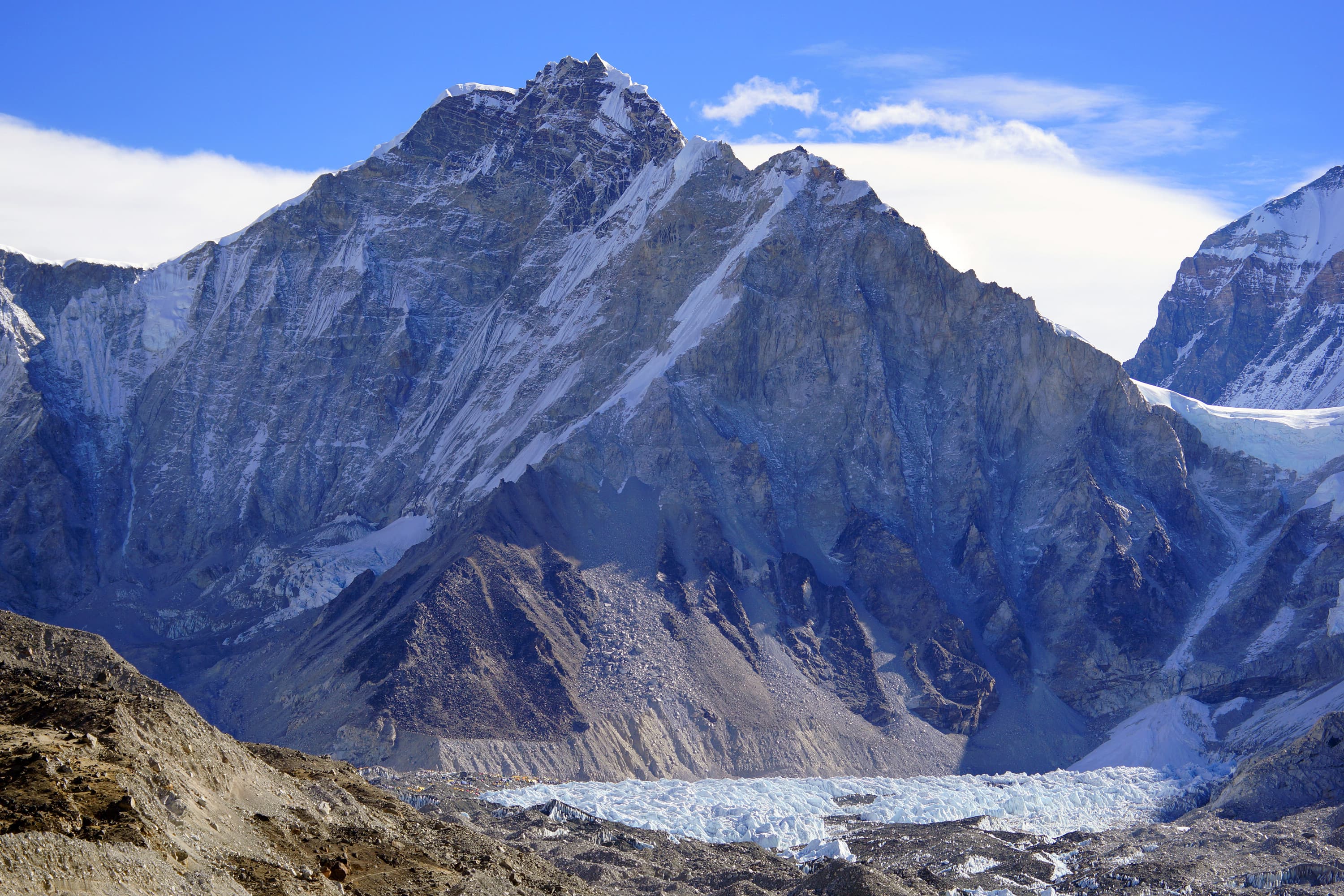
Everest Base Camp Trek: The Complete Planning Guide
Everything you need to know before you go — route, permits, altitude, best seasons, and what the 12-day trek to the foot of the world's highest mountain actually feels like.
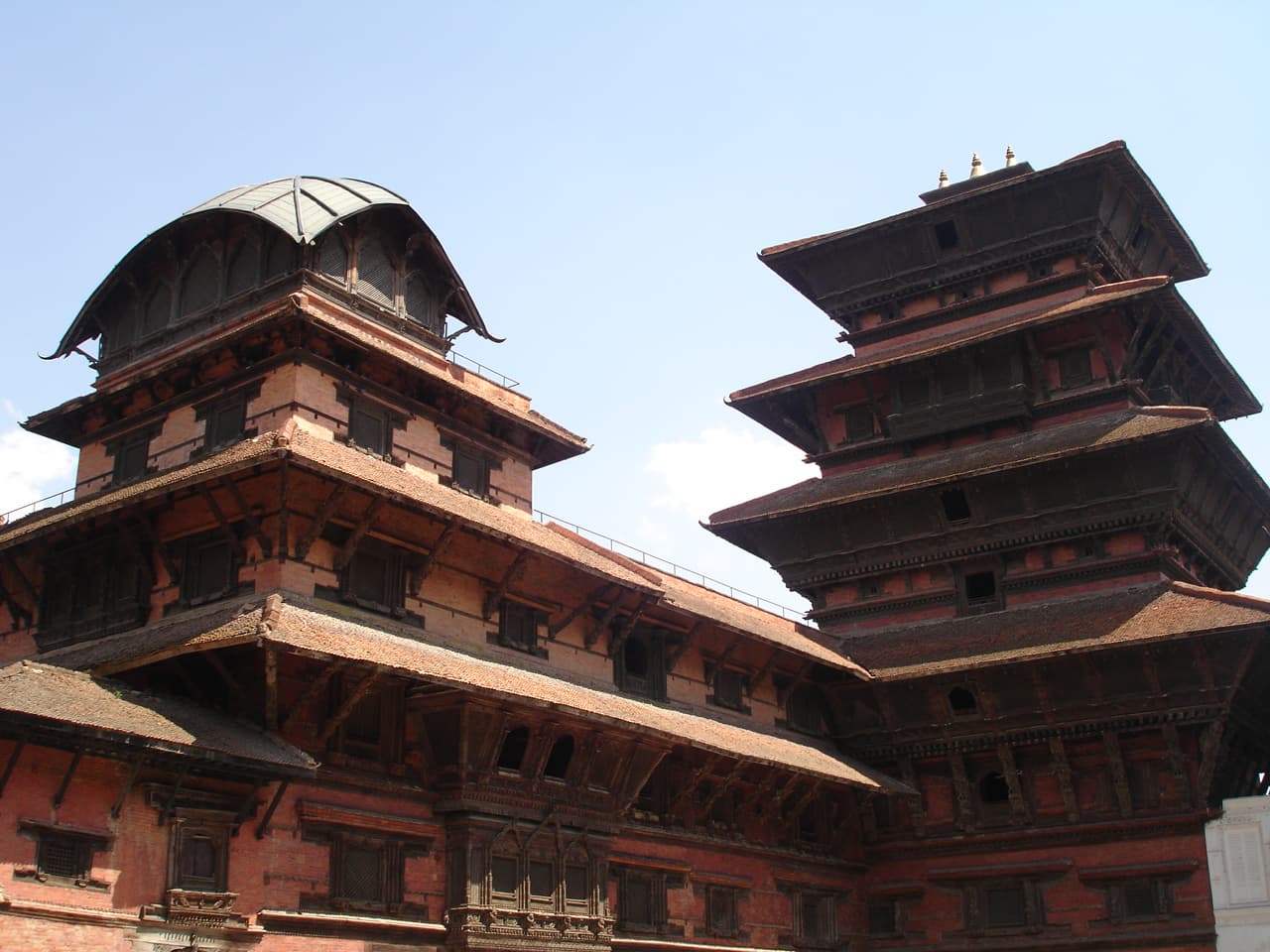
Kathmandu Valley's UNESCO World Heritage Sites: A Traveler's Guide
From the stupas of Swayambhunath and Boudhanath to the royal palace squares of Kathmandu, Patan and Bhaktapur, here is how to explore the seven UNESCO-listed monument zones of the Kathmandu Valley.