
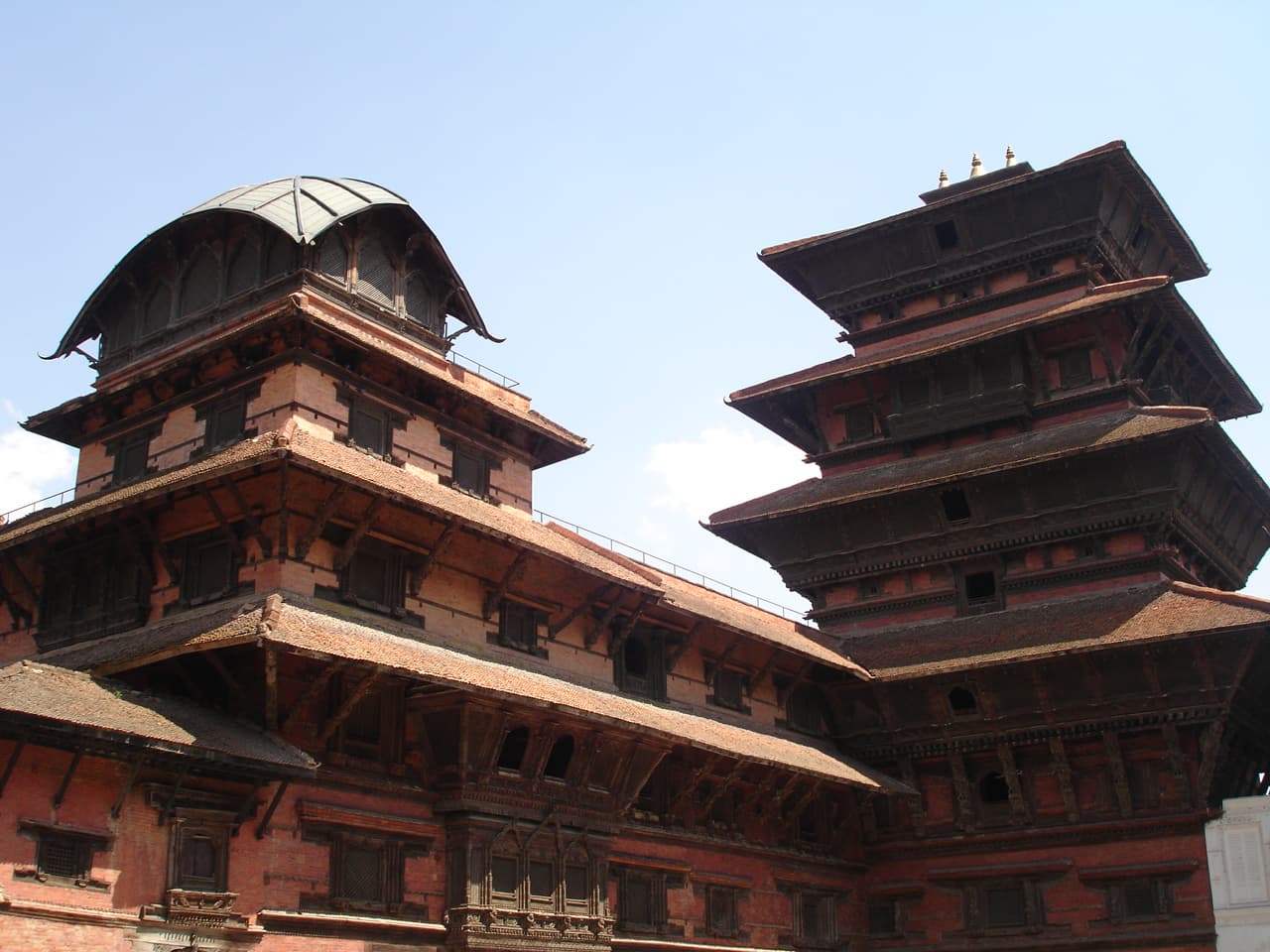
Kathmandu Valley's UNESCO World Heritage Sites: A Traveler's Guide
From the stupas of Swayambhunath and Boudhanath to the royal palace squares of Kathmandu, Patan and Bhaktapur, here is how to explore the seven UNESCO-listed monument zones of the Kathmandu Valley.
The Kathmandu Valley holds seven separate UNESCO World Heritage monument zones within a single World Heritage Site listing — an unusually dense concentration of temples, palaces, and stupas that reflects more than a thousand years of Newar craftsmanship and the valley's role as a crossroads between South Asian and Tibetan Buddhist culture.
The three Durbar Squares
Kathmandu, Patan, and Bhaktapur each grew as an independent Malla-era kingdom before Nepal's unification in the 18th century, and each still has its own Durbar (palace) Square. Kathmandu Durbar Square, next to the old royal palace, is the most visited and includes the Kumari Ghar, home to Nepal's living goddess tradition. Patan Durbar Square, across the Bagmati River, is often considered the best-preserved of the three, with the Patan Museum housed in the old royal palace. Bhaktapur Durbar Square, roughly an hour from central Kathmandu, retains the most intact medieval townscape, with the towering Nyatapola Temple as its centerpiece.
All three squares sustained serious damage in the 2015 Gorkha earthquake, and restoration — much of it using traditional joinery and materials — is still visible and ongoing in places, a reminder of how actively these sites are maintained rather than frozen in time.
Swayambhunath and Boudhanath
Swayambhunath, known informally to visitors as the "Monkey Temple," sits on a hilltop west of the city center and is one of the oldest religious sites in the valley, sacred to both Buddhists and Hindus. Boudhanath, in eastern Kathmandu, is one of the largest stupas in the world and the spiritual center of the valley's Tibetan Buddhist community — the best time to visit is late afternoon, when the kora (circumambulation) path around the stupa fills with monks, pilgrims and butter-lamp offerings.
Pashupatinath and Changu Narayan
Pashupatinath, on the banks of the Bagmati River, is one of the most important Hindu temples dedicated to Shiva anywhere in the world and remains an active cremation site — visitors are welcome to observe respectfully from across the river, though non-Hindus are not permitted to enter the main temple. Changu Narayan, the seventh and least-visited of the monument zones, sits on a quiet ridge northeast of Bhaktapur and holds some of the valley's oldest surviving stone inscriptions and carvings.
Planning your visit
Each site charges its own separate entry fee for foreign visitors, and most are easily reached by taxi or ride-hailing app from Thamel. Two to three days is enough to see all seven zones without rushing, though Bhaktapur alone rewards a full day, and many travelers return to Boudhanath or Pashupatinath in the early morning or at dusk, when the sites are at their most atmospheric.
Related destinations
More stories
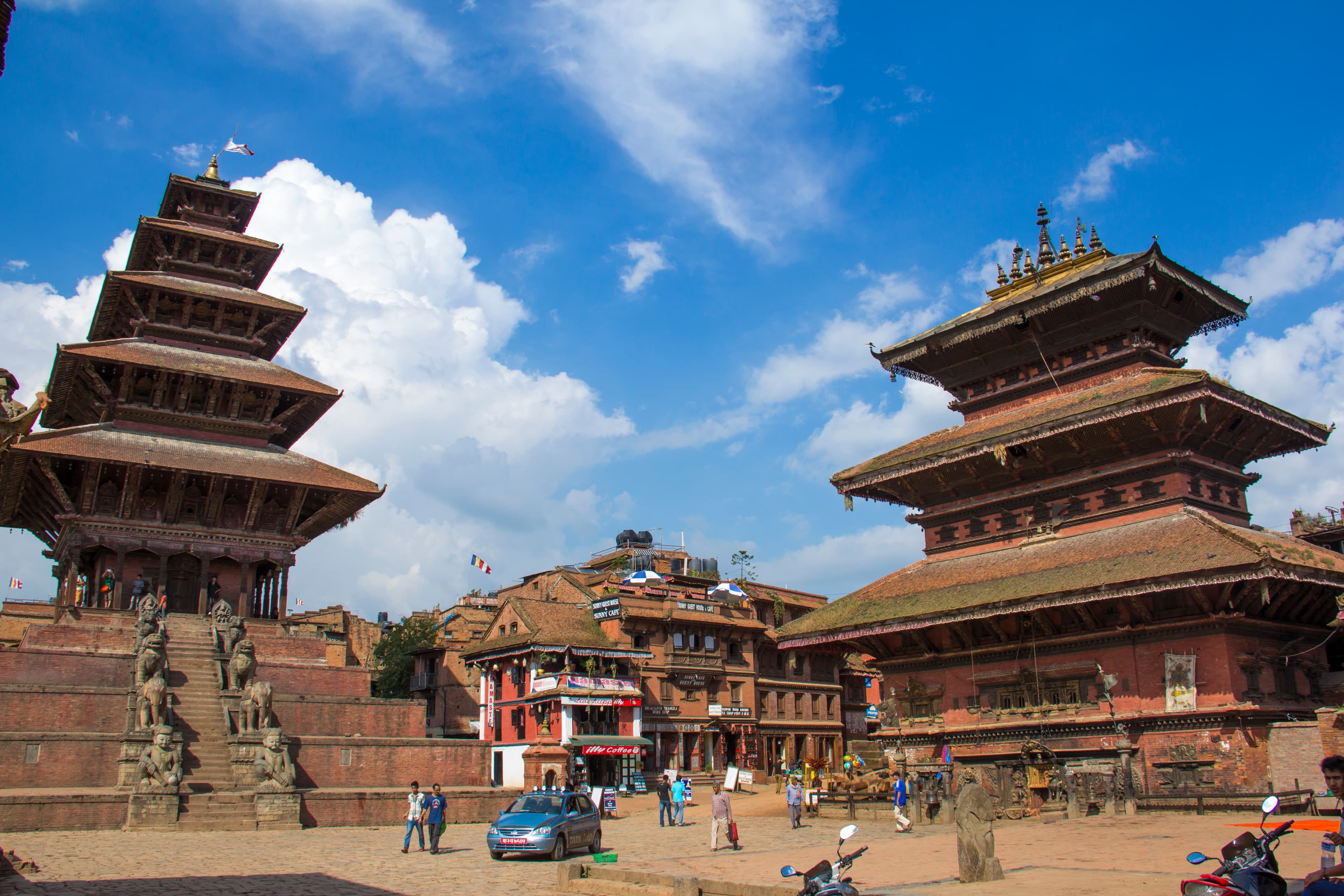
Nepal Visa Guide: How Tourists Can Enter Nepal
Most travelers can get a Nepal tourist visa on arrival at Kathmandu's airport or a land border. Here's how the process works, what documents you need, and what to double-check before you fly.
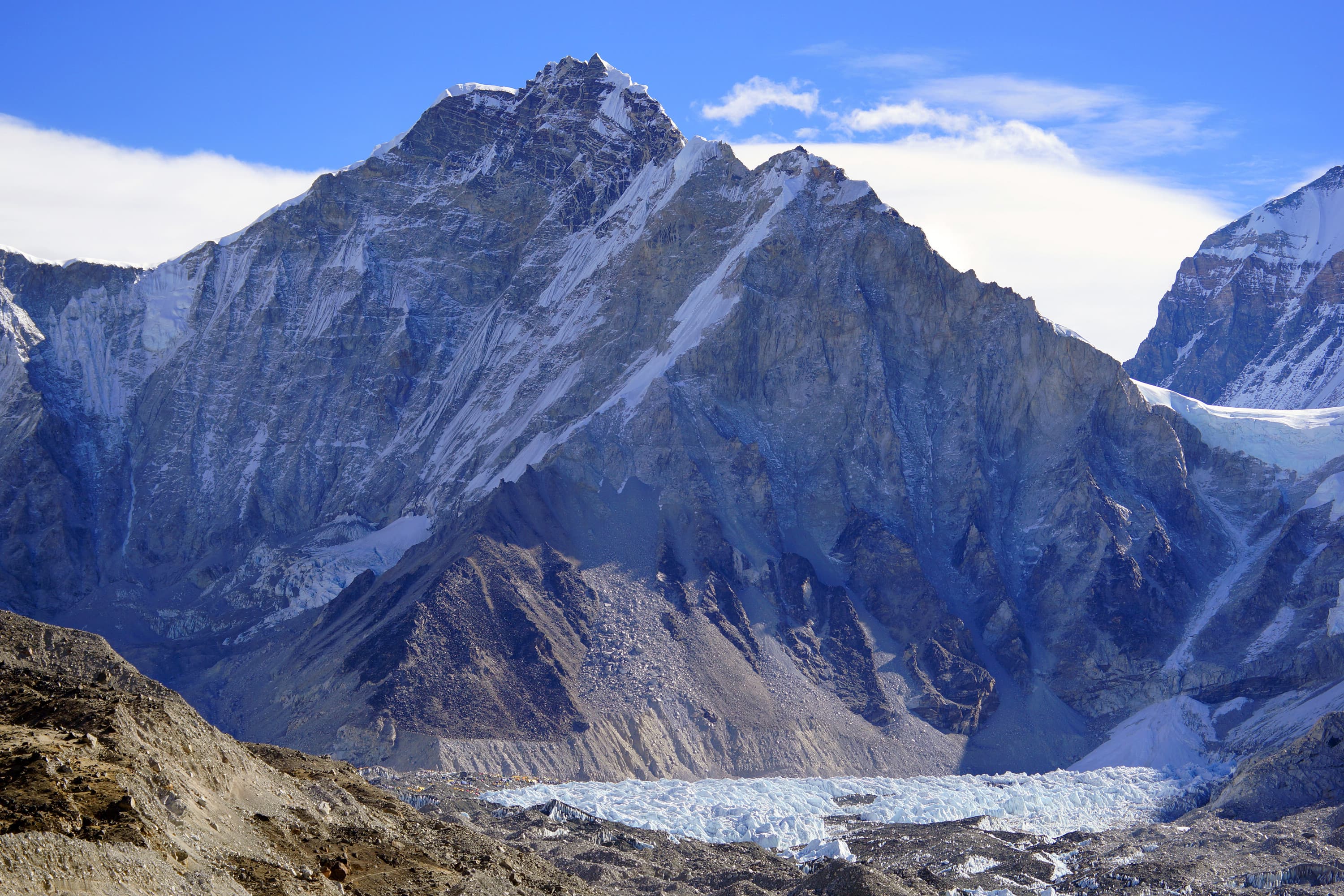
Everest Base Camp Trek: The Complete Planning Guide
Everything you need to know before you go — route, permits, altitude, best seasons, and what the 12-day trek to the foot of the world's highest mountain actually feels like.
Trekking Permits in Nepal Explained: TIMS, ACAP & National Park Fees
Nearly every trekking route in Nepal requires at least one permit. Here's what TIMS, ACAP, and national park entry fees actually cover, and where to arrange each one.