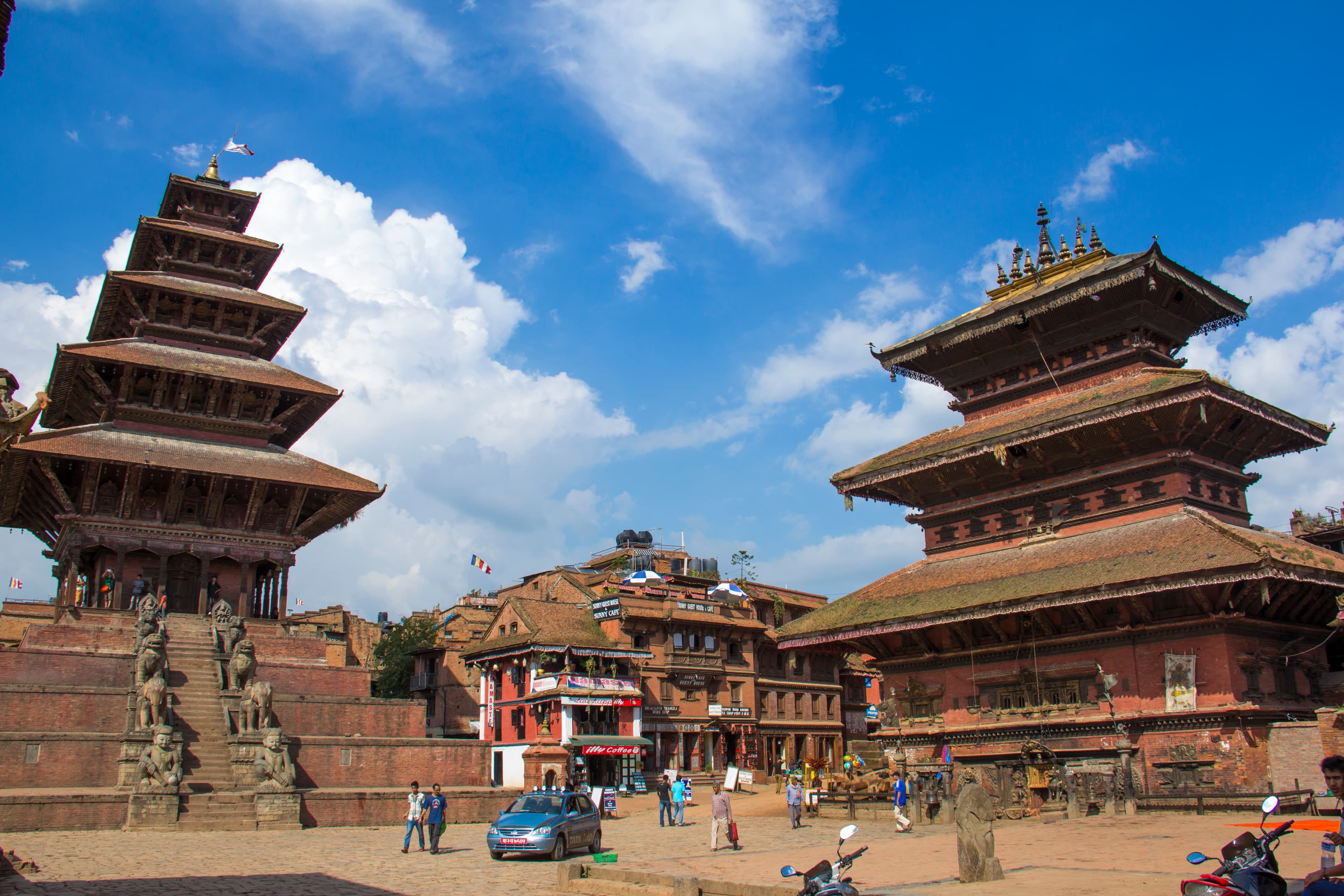
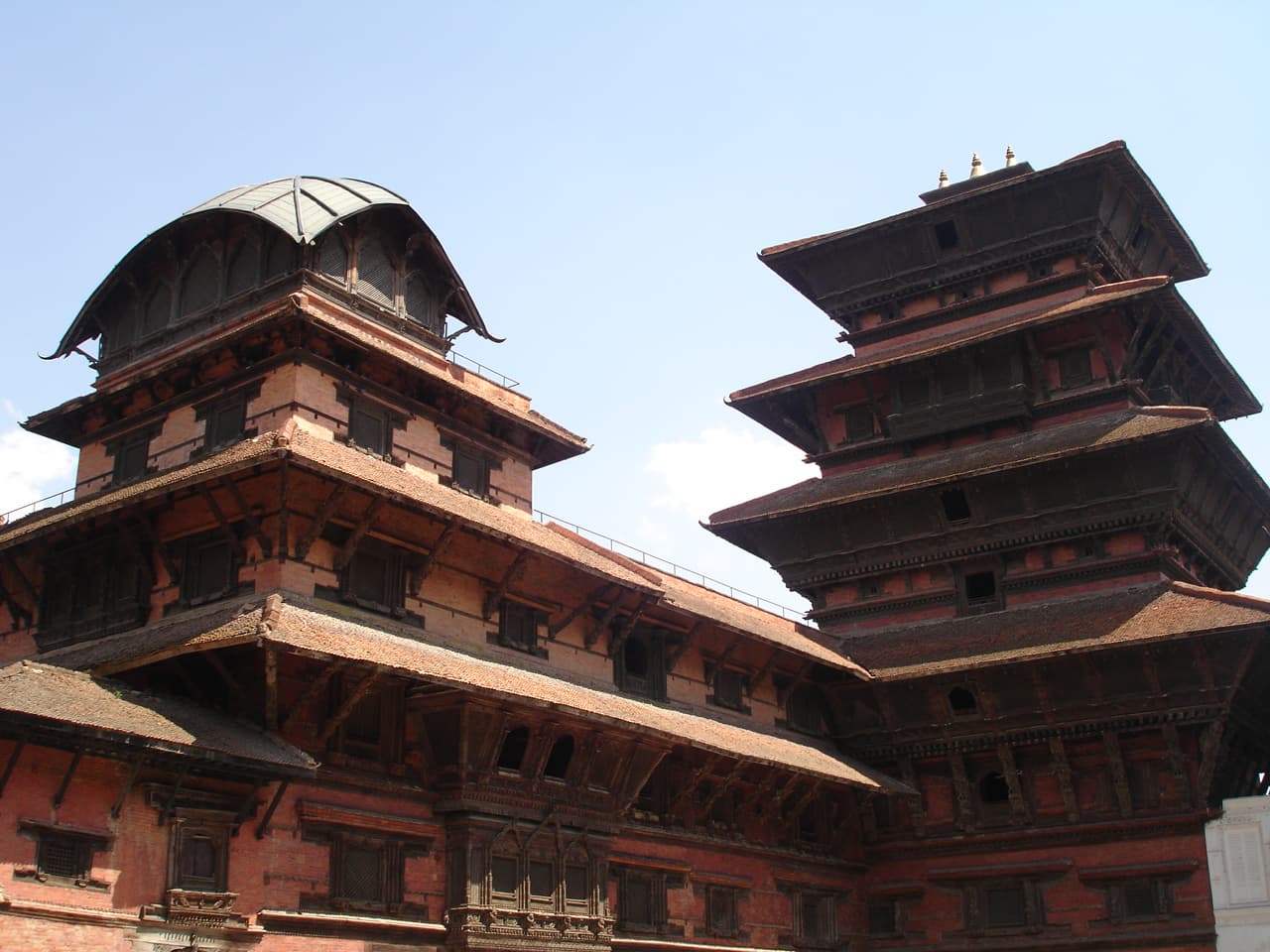
Bhaktapur, known locally as Khwopa, is a medieval Newar city roughly 13 km east of Kathmandu and one of the three historic royal cities of the Kathmandu Valley, alongside Kathmandu and Patan. It is the smallest municipality in Nepal by area yet one of the most densely populated, and it retains the most intact medieval streetscape of the valley's three former kingdoms, having stayed comparatively isolated from national development for much of the 20th century — a history that, unintentionally, helped preserve its architecture.
History
Local chronicles trace Bhaktapur's founding to around the 12th century, though the site had been settled since at least the earlier Licchavi period. It served as the capital of the unified Kathmandu Valley during the first half of the Malla dynasty, until the valley split into three independent kingdoms in 1482 — after which Bhaktapur remained a wealthy, powerful Newar city-state in its own right, helped by its position on the historic India–Tibet trade route. In 1769 it was annexed into the expanding Gorkha Kingdom that became modern Nepal. Bhaktapur suffered serious damage in both the 1934 and April 2015 earthquakes; restoration after 2015, much of it using traditional joinery and materials, remains visible in places today.
Highlights
Bhaktapur Durbar Square, the old royal palace complex, is anchored by the Nyatapola Temple, a five-tiered pagoda completed in 1702 and the tallest temple structure in Nepal — along with the former royal palace itself, it forms the tourism and cultural center of the city. Pottery Square, where Newar potters still work with traditional wheels and firing methods in the open air, offers a rare direct look at a living craft tradition rather than a museum display. The city is also known for jūjū dhau, a traditional yogurt made from buffalo milk and considered one of Nepal's signature culinary specialties.
Culture and festivals
Predominantly Hindu, Bhaktapur speaks a distinct dialect of Nepal Bhasa (Newari) and is sometimes called the "Capital of Music and Dance" for its more than 200 traditional dance forms, most performed as masked dances during the city's annual carnival of Sāpāru (Gai Jatra). The spring festival of Bisket Jatra, with its dramatic chariot processions and tug-of-war rituals, is another of the city's best-known celebrations. UNESCO inscribed Bhaktapur as a World Heritage Site in 1979 in recognition of this concentration of preserved architecture and living tradition.
Best time to visit
October through March brings the clearest skies and most comfortable temperatures for walking the city's streets and squares. Early mornings, particularly before the day-trip crowds arrive from Kathmandu, are the quietest and best time for photography.
Getting there
Bhaktapur is a short taxi or ride-hailing trip from central Kathmandu — typically 30 to 45 minutes depending on traffic — making it an easy half-day or full-day excursion rather than requiring an overnight stay, though staying a night inside the old city after the day-trippers leave is a worthwhile way to see it at its quietest.
Practical tips
Bhaktapur charges its own separate entry fee, distinct from Kathmandu's Durbar Square — keep your ticket, as it typically allows multiple entries during your stay in Nepal. Comfortable, sturdy footwear is worth packing, since much of the old city is cobblestone and best explored slowly, on foot.