
From everyday dal bhat to Newari feast food and momos on every street corner, here's an introduction to what to actually order while traveling in Nepal.
Nepali food is shaped by the country's geography and its neighbors — Tibetan influence in the high mountains, Indian influence in the Terai lowlands, and a distinct Newar culinary tradition centered on the Kathmandu Valley. Across all of it, one dish anchors daily eating almost everywhere in the country: dal bhat.
Dal bhat: the everyday staple
Dal bhat — lentil soup (dal) served over rice (bhat), typically with vegetable curry (tarkari), pickle (achar), and sometimes meat or greens — is the standard meal across most of Nepal, eaten by most Nepalis at least once, often twice, a day. Trekking lodges almost universally serve it, and it has a practical advantage for trekkers beyond taste: most teahouses offer free refills, making it one of the most reliably filling meals available on the trail. Regional and household variation is significant — the specific vegetables, spicing, and accompaniments change from place to place and family to family.
Momos
Momos — steamed or fried dumplings filled with spiced meat (commonly buffalo, chicken or pork) or vegetables — are Nepal's most ubiquitous street and restaurant food, sold everywhere from Kathmandu's Thamel district to small-town roadside stalls. They reflect Tibetan culinary influence and are typically served with a spicy tomato-based dipping sauce (achar). Momo quality and style vary enormously by vendor, and trying momos from several different places during a trip is a common and rewarding habit among visitors.
Newari cuisine
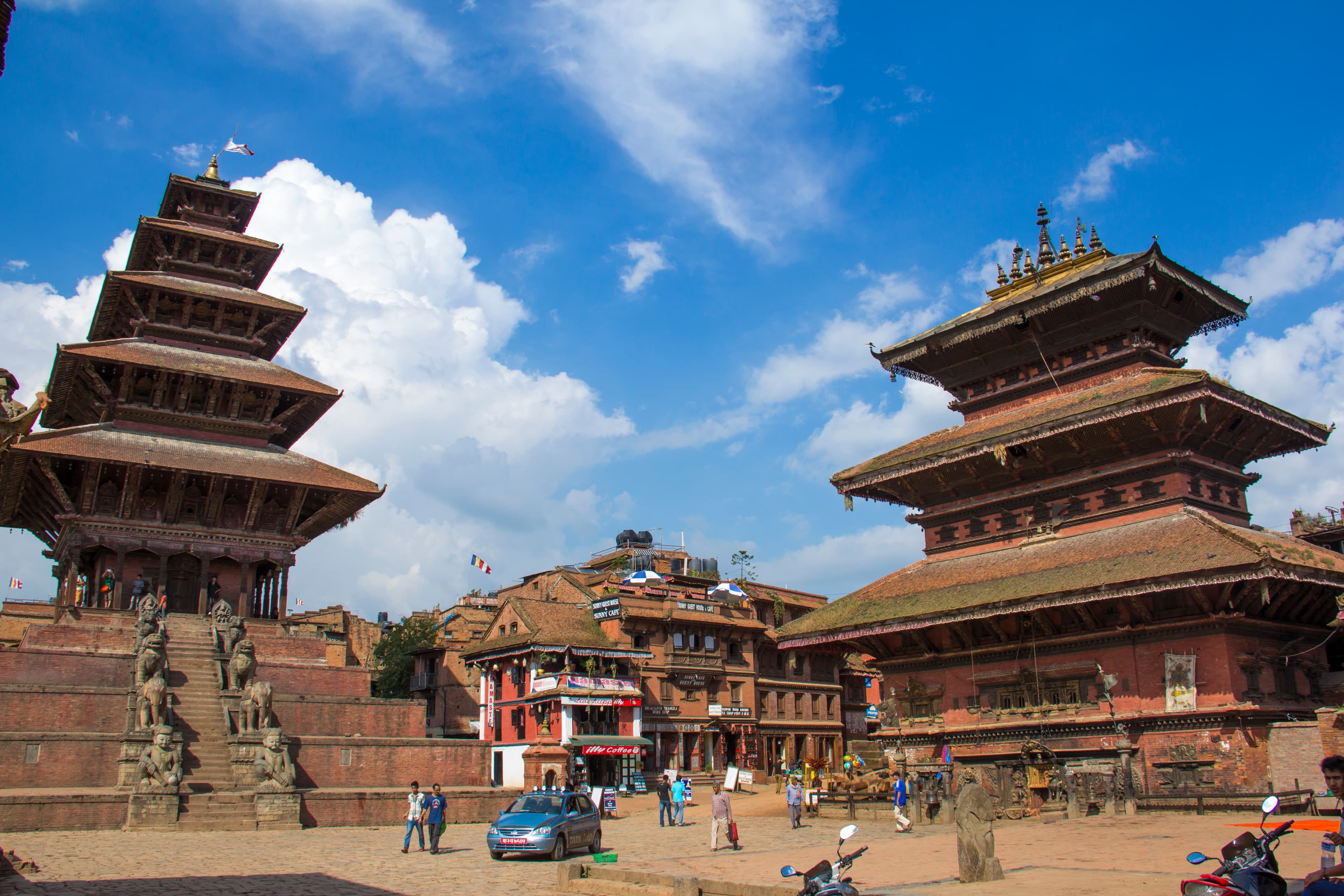
The Newar community of the Kathmandu Valley has its own distinct culinary tradition, more elaborate and varied than everyday dal bhat. A Newari feast (bhoj) can include dishes like bara (lentil patties), choila (spiced grilled meat), yomari (a sweet rice-flour dumpling traditionally eaten during the Yomari Punhi festival), and chatamari, sometimes described as a Newari-style rice-flour crepe. Bhaktapur is particularly known for jūjū dhau, a rich, slightly sweet yogurt made from buffalo milk and traditionally set in clay pots.
Regional variation
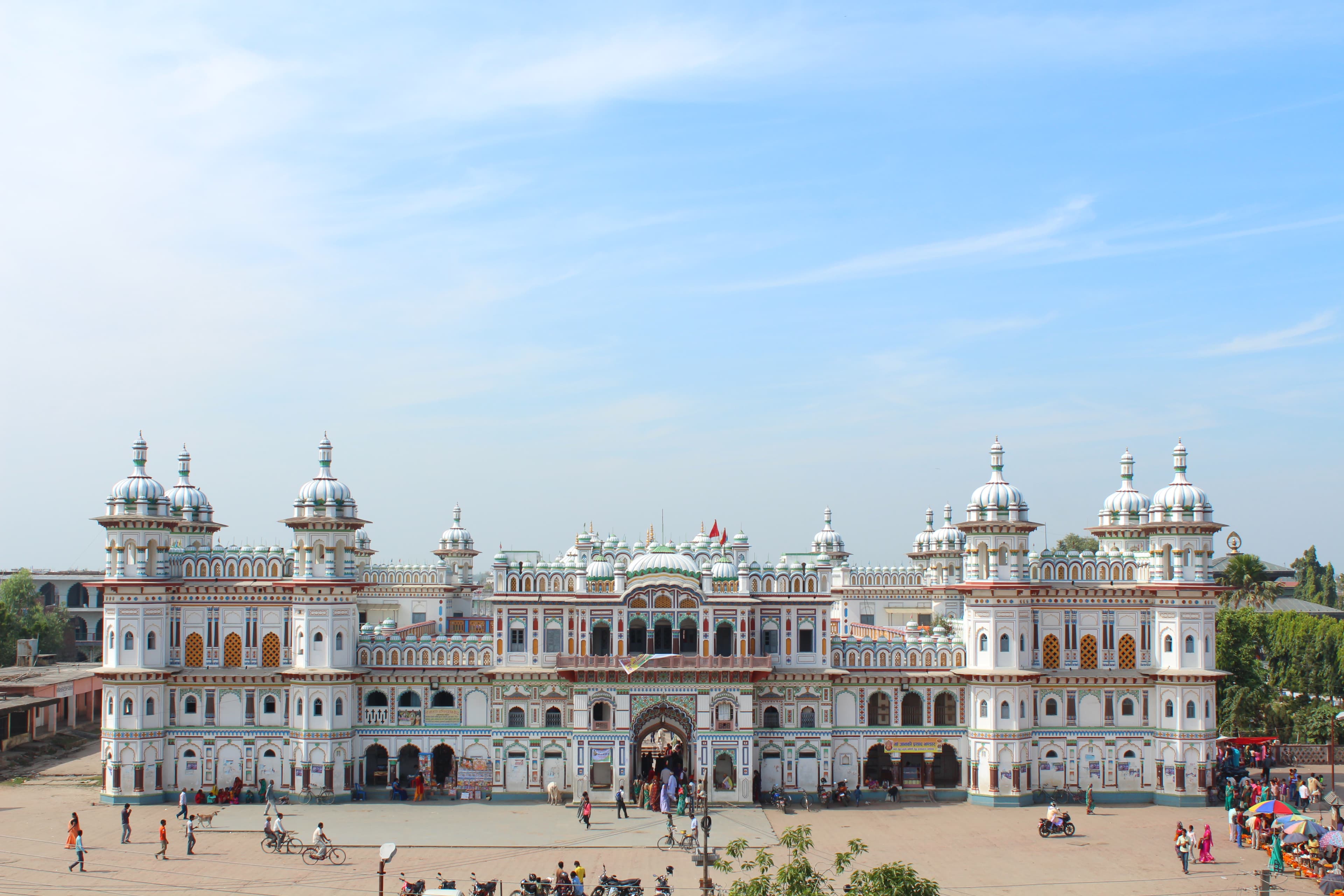
In the Terai lowlands near the Indian border, food leans closer to North Indian cuisine — more use of wheat-based bread, different spicing, and dishes shared with the neighboring Indian state of Bihar, particularly around Janakpur's Mithila-influenced cooking. In the high Himalayan regions, Tibetan-influenced food is more prominent, including thukpa (a noodle soup) alongside momos, reflecting these areas' historical trade and cultural ties across the Himalaya into Tibet.
Drinks
Nepali tea (chiya), brewed with milk and sugar in the style shared across much of South Asia, is the default hot drink almost everywhere, including on the trekking trail. In the hill and mountain regions, tumba (a fermented millet drink traditionally sipped through a bamboo straw from a hot-water-topped vessel) and, further east, tea grown in the Ilam district, are both worth seeking out as more regionally specific options.
Practical notes
On trekking routes, ordering what's freshest and simplest — usually dal bhat — is generally a safer and more satisfying choice than complex Western-style dishes on a limited-ingredient mountain menu. In cities, water safety is worth a moment's thought: bottled or properly filtered/treated water is the standard recommendation for travelers throughout Nepal.
Related destinations
More stories
Nepal Visa Guide: How Tourists Can Enter Nepal
Most travelers can get a Nepal tourist visa on arrival at Kathmandu's airport or a land border. Here's how the process works, what documents you need, and what to double-check before you fly.
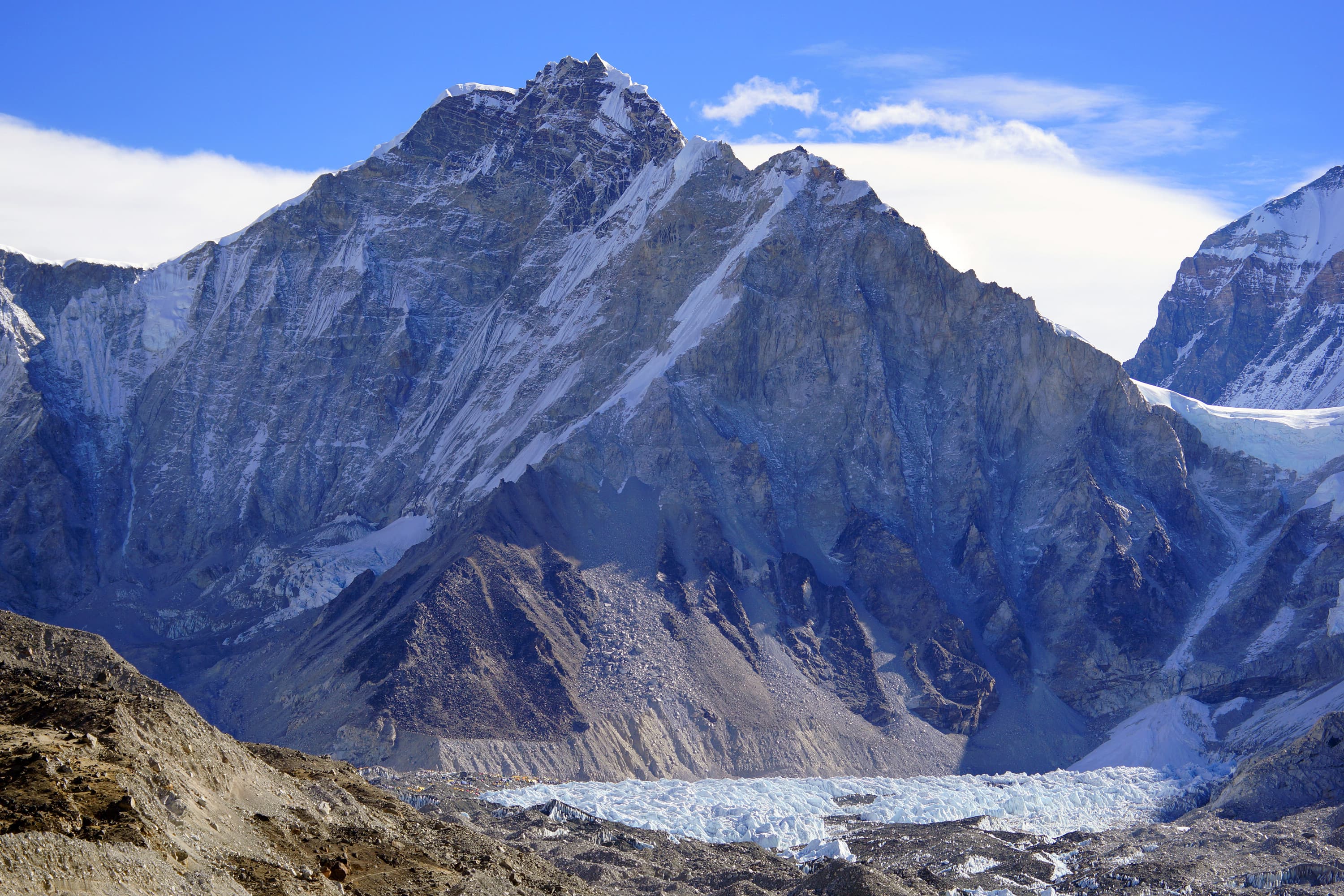
Everest Base Camp Trek: The Complete Planning Guide
Everything you need to know before you go — route, permits, altitude, best seasons, and what the 12-day trek to the foot of the world's highest mountain actually feels like.
Trekking Permits in Nepal Explained: TIMS, ACAP & National Park Fees
Nearly every trekking route in Nepal requires at least one permit. Here's what TIMS, ACAP, and national park entry fees actually cover, and where to arrange each one.