
TTN
What to Eat in Nepal: A Guide to Nepali Food
From everyday dal bhat to Newari feast food and momos on every street corner, here's an introduction to what to actually order while traveling in Nepal.
Pratik Sharma 6 min read
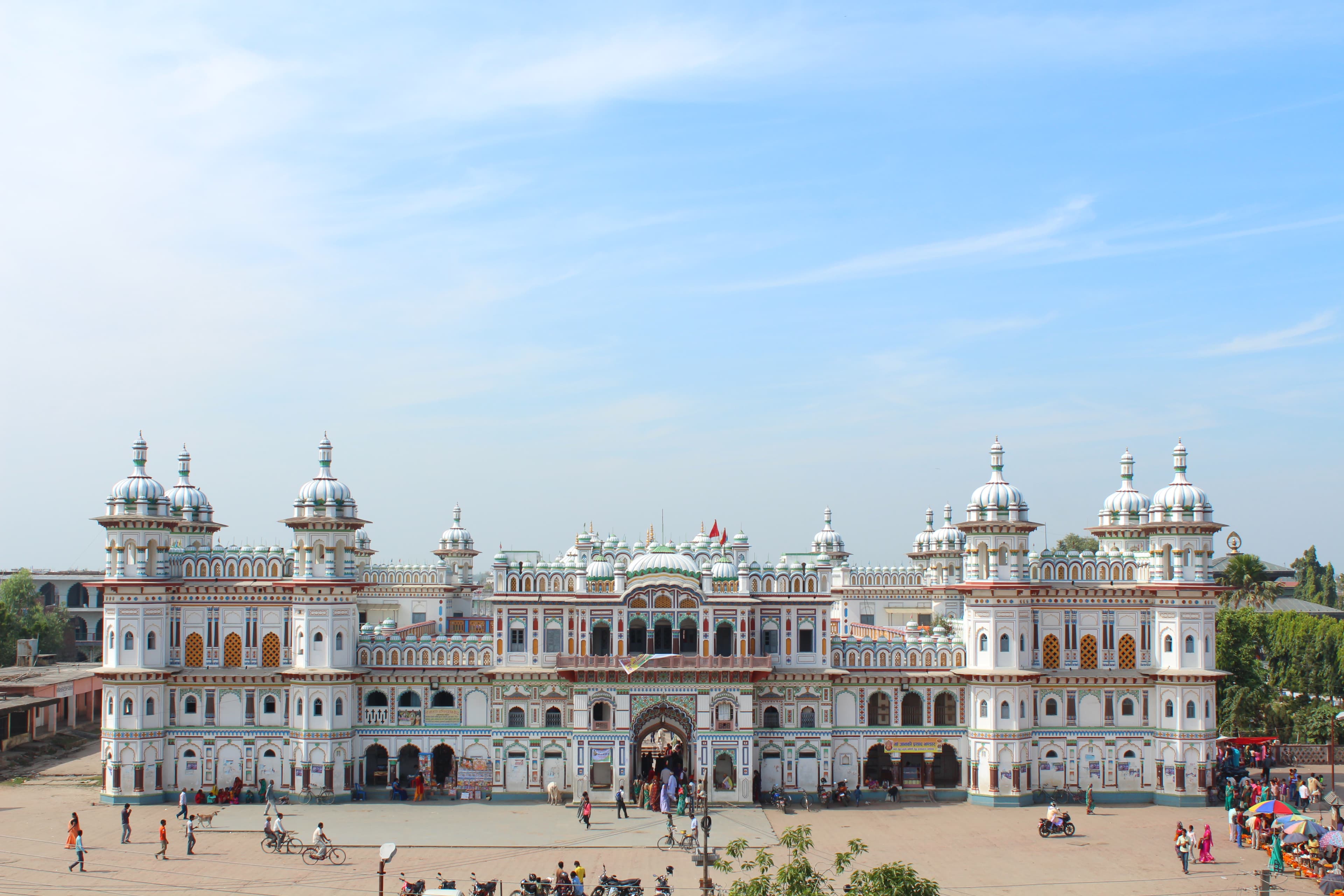
Janakpur, also known as Janakpurdham, is the capital of Madhesh Province and the cultural and religious heart of the Maithili-speaking Mithila region, located roughly 225 km southeast of Kathmandu and about 23 km from the Bhitthamore border crossing with India. With a population of just under 200,000 as of the 2021 census, it is the fourth most densely populated city in Nepal and a central hub for Maithili language, art and religious tourism.
Janakpur is retrospectively associated with the ancient kingdom of Videha and, in Hindu tradition, identified as the birthplace of the goddess Sita — a connection that makes it a significant pilgrimage site for Hindus, particularly devotees of Rama and Sita from both Nepal and neighboring India. The city as it exists today was founded in the early 18th century; its modern development is credited to the 17th-century ascetic Hindu saint Sannyasi Shurkishordas. Nepal Railways has historically operated a rail service connecting Janakpur to Jainagar across the Indian border, a rare piece of railway infrastructure in a country with very little rail network.
The Janaki Mandir, a striking white marble temple built in 1911 in a distinctive Mughal-influenced architectural style, is the city's central landmark and most visited site, drawing pilgrims and visitors alike. The nearby Ram Mandir and the Ganga Sagar pond, one of several sacred ponds scattered through the city, are also important stops on a typical visit. Janakpur is equally known for Mithila art, the region's distinctive geometric and folk-motif painting tradition, traditionally applied to home walls and floors by Maithil women and now also produced as portable artwork and sold through local cooperatives and galleries — a visit to one of the Mithila art villages near the city offers a direct look at the tradition being practiced.
Vivaha Panchami, usually falling in November or December, is Janakpur's largest annual festival, reenacting the wedding of Ram and Sita with a large procession and drawing pilgrims from across Nepal and India. The city takes on a markedly different, much busier character during this period compared to the rest of the year.
October through February offers the most comfortable temperatures for a Terai city; summers are hot and the June–September monsoon brings heavy humidity and rain. Timing a visit around Vivaha Panchami rewards travelers with a genuinely major cultural event, but requires booking accommodation well in advance given the crowds.
Janakpur is reachable by road from Kathmandu (roughly 6–8 hours) or by domestic flight to Janakpur Airport. Its position near the Indian border also makes it accessible from the Indian side via Jainagar.
Dress modestly when visiting temple areas, and expect Janakpur to feel noticeably different in character from the hill towns most visitors associate with Nepal — flat Terai geography, Maithili rather than Nepali as the everyday spoken language in many settings, and a cultural orientation closer to neighboring Bihar, India, than to the Kathmandu Valley.
From everyday dal bhat to Newari feast food and momos on every street corner, here's an introduction to what to actually order while traveling in Nepal.