Nepal's Festival Calendar: When to Visit for Dashain, Tihar and Holi
Nepal's festival calendar follows the lunar cycle, and timing a visit around Dashain, Tihar, Holi or Indra Jatra can turn a good trip into an unforgettable one — here's what to know before you plan around them.
Nepal's festival calendar is shaped by both the Hindu lunar calendar and the Buddhist and Newar traditions of the Kathmandu Valley, which means exact dates shift from year to year and are worth checking close to your travel dates. Timing a visit around one of the country's major festivals adds a layer of cultural experience that's hard to replicate at any other time of year — but it also means fuller flights, busier heritage sites and, for Dashain and Tihar especially, some businesses and transport running on reduced schedules.
Dashain (September–October)
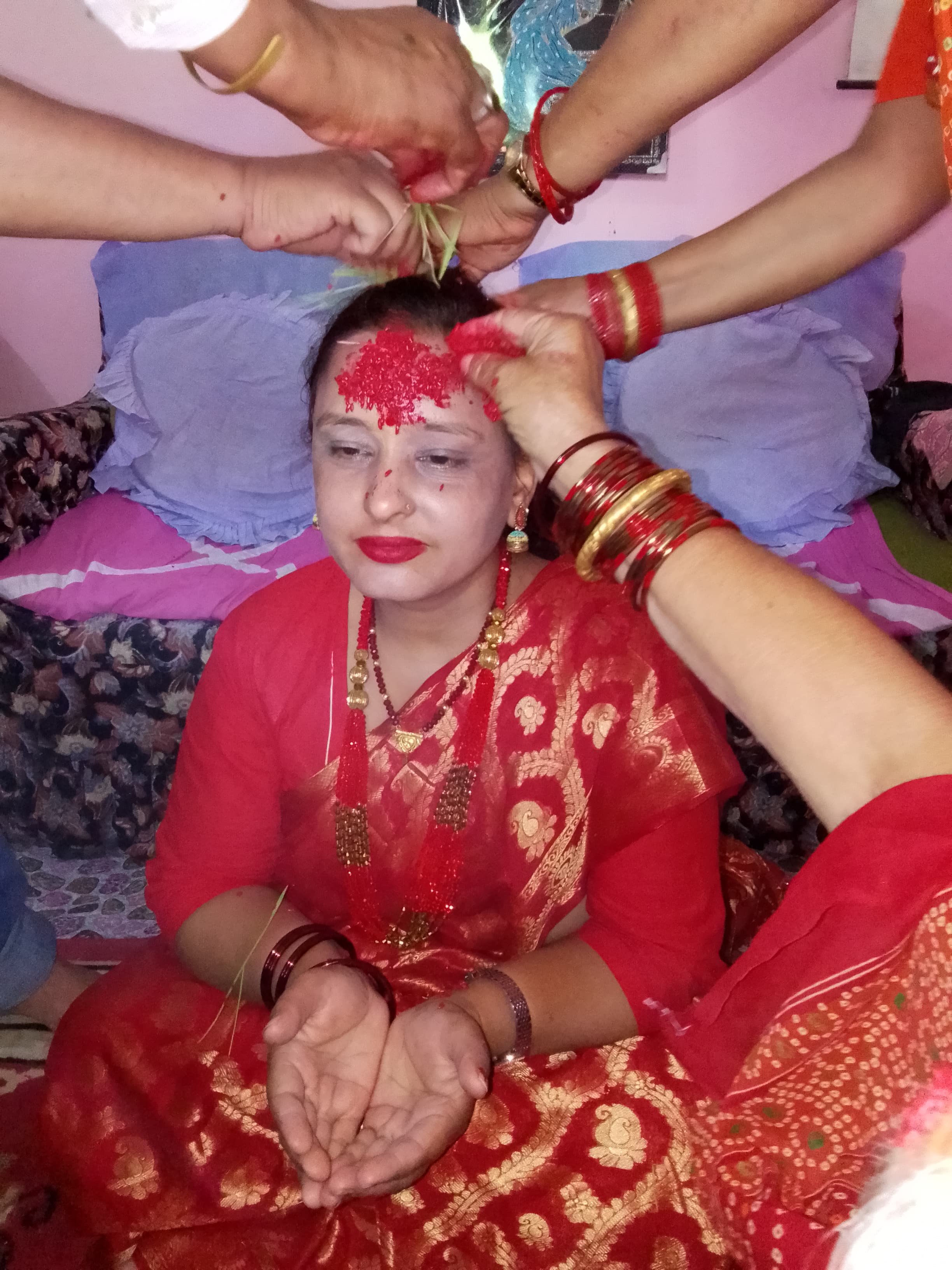
Dashain is Nepal's longest and most important festival, a 15-day Hindu celebration honoring the goddess Durga's victory over evil. Families reunite from across the country and abroad, elders bless younger relatives with tika (a mix of rice, yogurt and vermillion) on the forehead and jamara (barley shoots) on the head, and kite-flying fills the skies over Kathmandu in the lead-up. For travelers, it's a window into Nepali family life, though many shops and government offices close for several days around the main tika days.
Tihar (October–November)
Arriving roughly two weeks after Dashain, Tihar is the festival of lights — Nepal's equivalent of Diwali — and is spread over five days, each dedicated to a different figure: crows, dogs, cows, oxen (or self-worship, depending on tradition), and finally Bhai Tika, when sisters bless their brothers. Homes are decorated with oil lamps and marigold garlands, and the third night, Laxmi Puja, turns whole neighborhoods into a glow of candlelight. It's one of the most visually striking times to be in Kathmandu.
Holi (March)
Holi, the festival of colors marking the arrival of spring, is celebrated with particular energy in Kathmandu's tourist areas like Thamel and Durbar Square, where locals and visitors alike throw colored powder (gulal) and water at each other in the streets. It's a joyful, chaotic, wear-clothes-you-don't-mind-ruining kind of day, and one of the most accessible festivals for foreign visitors to jump straight into.
Indra Jatra (September)
Specific to the Kathmandu Valley, Indra Jatra is an eight-day Newar festival marking the end of the monsoon, centered on Kathmandu Durbar Square. Its highlight is the chariot procession of the Kumari, Nepal's living goddess, alongside masked lakhe dances and displays honoring Indra, the god of rain. It usually falls close to Dashain, making September a particularly festival-dense month in the capital.
Planning around festival season
Because Dashain, Tihar and Indra Jatra all cluster in September and October, this is also peak trekking and tourist season — book flights, Lukla connections and popular teahouses well in advance if visiting then. Holi in March overlaps with the pre-monsoon trekking window, offering a good combination of clear mountain views and festival energy. Exact dates should always be confirmed against the current year's lunar calendar, as they can shift by several weeks year to year.
Related destinations
More stories
Nepal Visa Guide: How Tourists Can Enter Nepal
Most travelers can get a Nepal tourist visa on arrival at Kathmandu's airport or a land border. Here's how the process works, what documents you need, and what to double-check before you fly.
Everest Base Camp Trek: The Complete Planning Guide
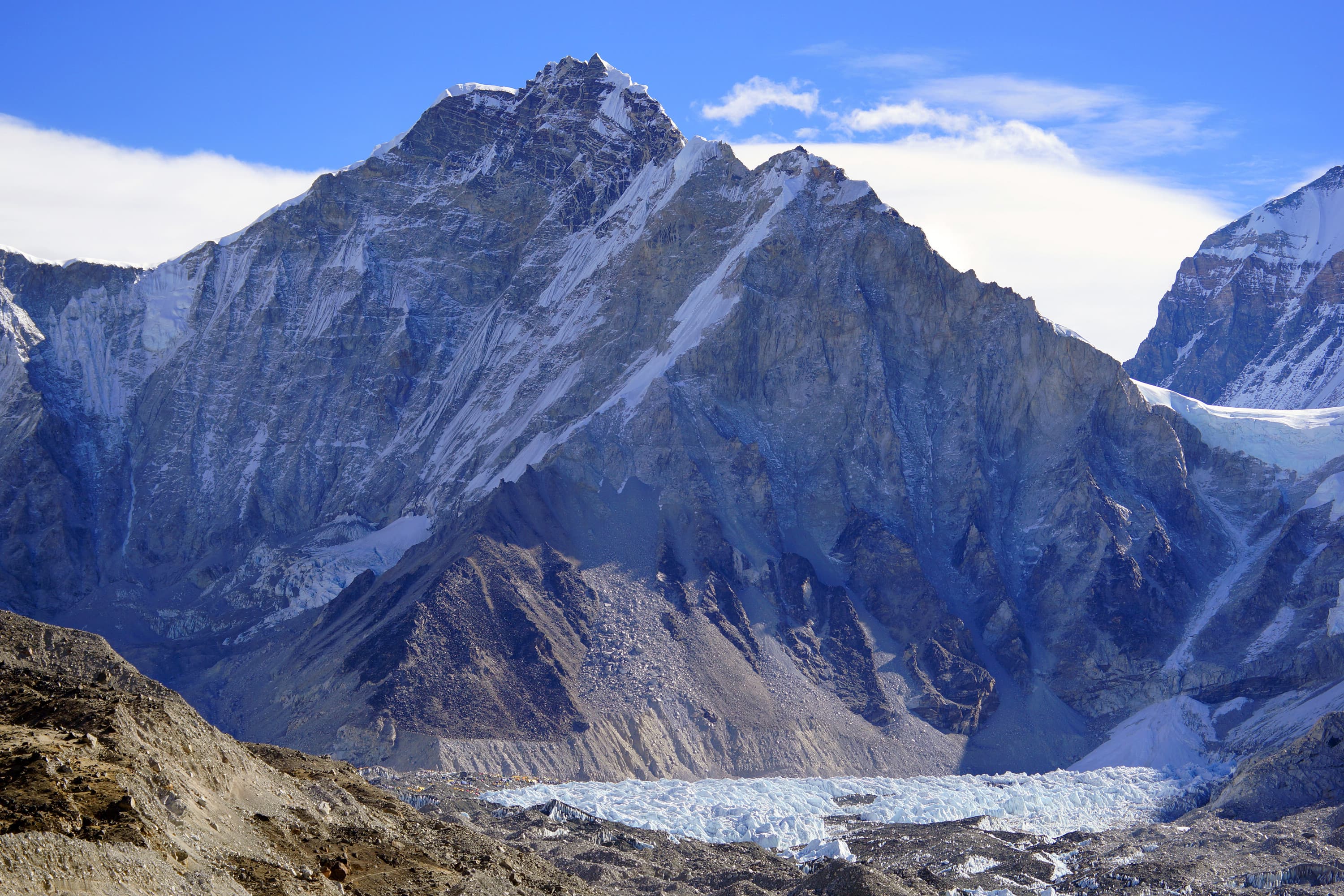
Everything you need to know before you go — route, permits, altitude, best seasons, and what the 12-day trek to the foot of the world's highest mountain actually feels like.
Trekking Permits in Nepal Explained: TIMS, ACAP & National Park Fees
Nearly every trekking route in Nepal requires at least one permit. Here's what TIMS, ACAP, and national park entry fees actually cover, and where to arrange each one.