
Annapurna Base Camp vs Everest Base Camp: Which Trek Should You Choose?
Nepal's two most iconic base camp treks offer very different experiences. Here's how they compare on difficulty, scenery, crowds, cost and time, to help you choose.
Everest Base Camp and Annapurna Base Camp are Nepal's two most popular trekking destinations, and both reward trekkers with genuinely spectacular high-Himalaya scenery — but they differ enough in difficulty, length, and character that the choice between them is worth thinking through rather than defaulting to whichever is more famous.
Altitude and difficulty
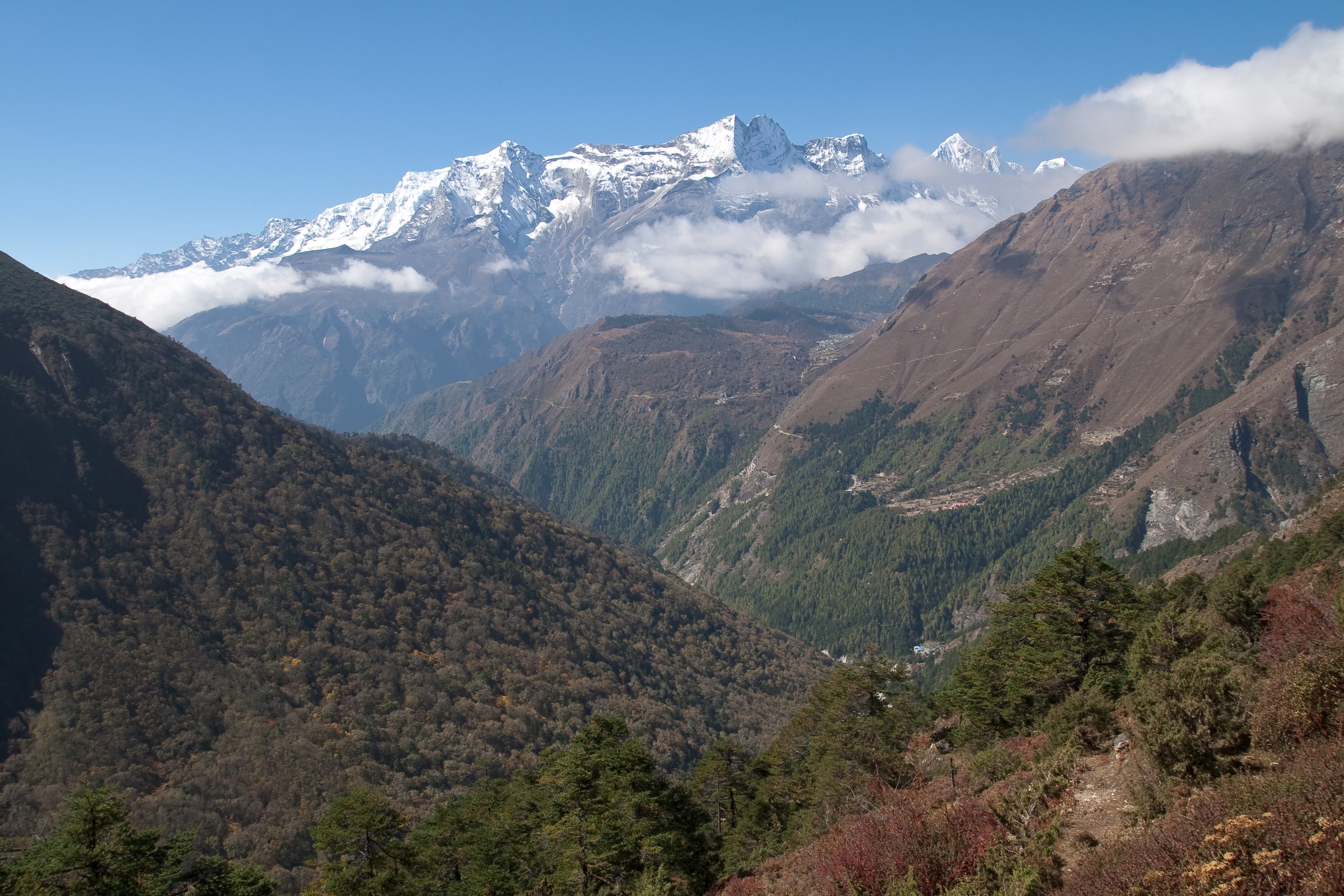
Everest Base Camp sits at roughly 5,364 m, and the trek's highest common viewpoint, Kala Patthar, reaches around 5,545 m — meaningfully higher than Annapurna Base Camp's roughly 4,130 m. That difference matters: Everest Base Camp carries a higher altitude-sickness risk and generally demands more acclimatization planning, with built-in rest days at Namche Bazaar and Dingboche considered essential rather than optional. Annapurna Base Camp is still a genuine high-altitude trek requiring reasonable fitness, but its lower maximum elevation makes it somewhat more forgiving and generally considered more approachable for first-time trekkers.
Length
Everest Base Camp typically takes 12–14 days round trip from Lukla, including acclimatization days. Annapurna Base Camp is considerably shorter, typically 7–10 days round trip from Pokhara, making it a realistic option for travelers with a tighter schedule who still want a genuine high-Himalaya trekking experience.
Scenery
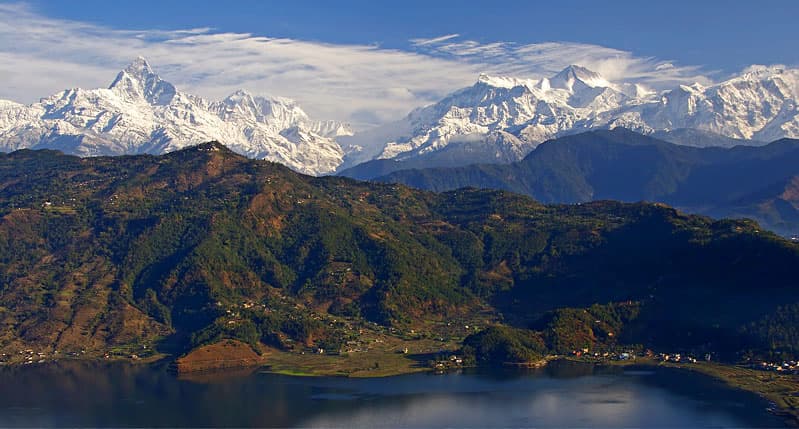
Both treks are considered among the most scenic in the world, but the character of the scenery differs. Everest Base Camp moves through Sherpa villages, the Tengboche monastery, and increasingly stark, high-altitude terrain, culminating in close views of Everest, Lhotse, Nuptse and the dramatic Khumbu Icefall. Annapurna Base Camp climbs into the Annapurna Sanctuary, a glacial basin almost entirely enclosed by peaks over 7,000 m — many trekkers describe the sanctuary's 360-degree amphitheater of mountains as one of the most immersive mountain views achievable without technical climbing.
Access and logistics
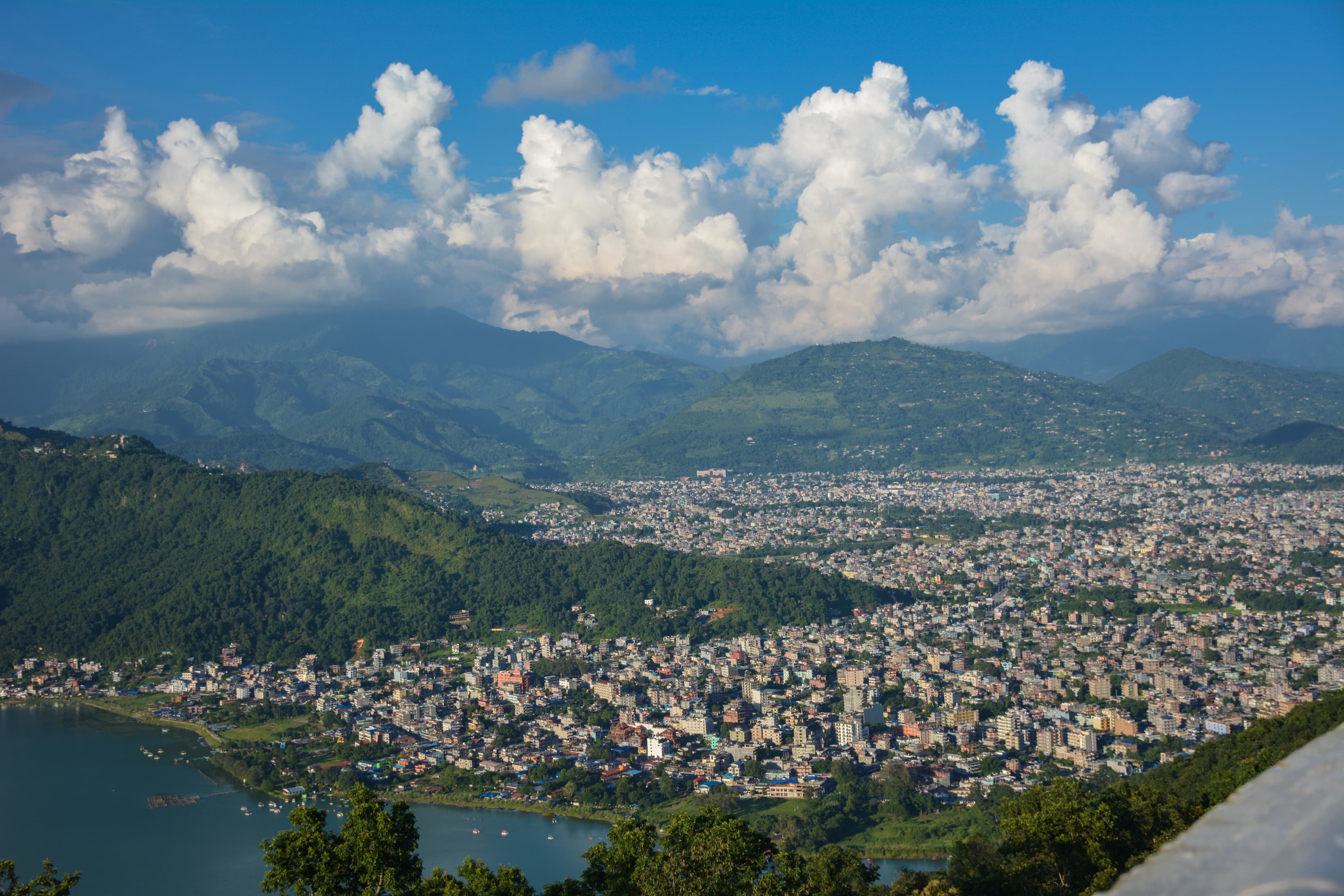
Everest Base Camp requires a flight to Lukla, which is weather-dependent and prone to delays — a real logistical risk worth planning buffer days around. Annapurna Base Camp starts by road or a short flight to Pokhara and then a drive to the trailhead, generally a more reliable start than Lukla's airstrip, with fewer weather-related disruptions to the beginning and end of the trip.
Crowds and cost
Everest Base Camp is generally more expensive, owing to Lukla flight costs, a longer itinerary, and slightly higher teahouse prices in the remoter Khumbu region. Both routes get crowded during peak autumn season (October–November), though Annapurna's broader network of villages and route options can make it feel somewhat less congested at any single point along the trail than the more linear Everest corridor.
Which to choose
If time, budget or altitude tolerance are limiting factors, or this is a first high-altitude trek, Annapurna Base Camp is generally the more accessible choice. If reaching the foot of the world's highest mountain specifically, and the Sherpa culture of the Khumbu, is the goal — and time and budget allow for the longer, higher itinerary — Everest Base Camp delivers an experience the Annapurna Sanctuary, spectacular as it is, doesn't quite replicate. Neither is a wrong choice; they're simply different trips.
Related destinations
More stories
Nepal Visa Guide: How Tourists Can Enter Nepal
Most travelers can get a Nepal tourist visa on arrival at Kathmandu's airport or a land border. Here's how the process works, what documents you need, and what to double-check before you fly.
Everest Base Camp Trek: The Complete Planning Guide
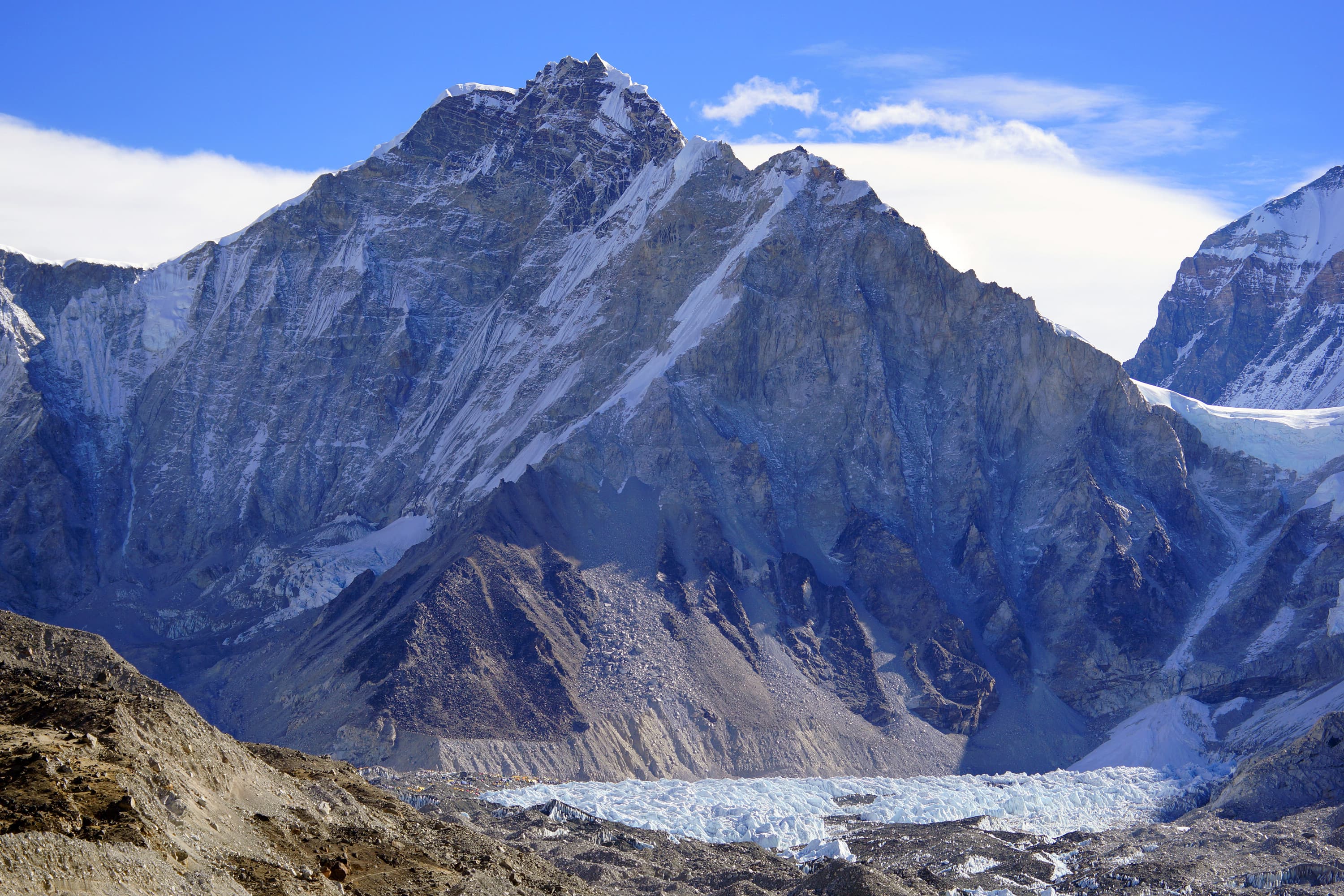
Everything you need to know before you go — route, permits, altitude, best seasons, and what the 12-day trek to the foot of the world's highest mountain actually feels like.
Trekking Permits in Nepal Explained: TIMS, ACAP & National Park Fees
Nearly every trekking route in Nepal requires at least one permit. Here's what TIMS, ACAP, and national park entry fees actually cover, and where to arrange each one.